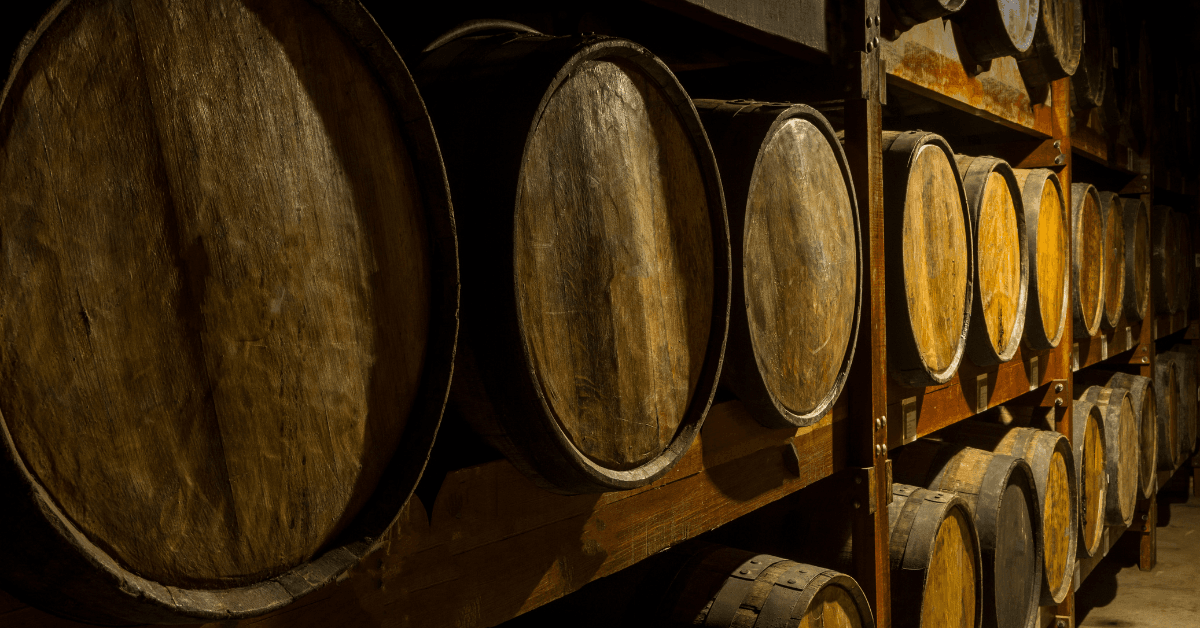

From the high-ester funk of Jamaican rum, to the deep, mellow notes of long-aged European expressions, one thing is certain: ageing plays a pivotal role in shaping a rum’s flavour and identity. But behind every aged spirit lies a critical, and often underappreciated influence: climate.
Whether a rum is aged in the hot, humid tropics or the cooler, temperate conditions of Europe, for example, climate impacts how it interacts with the cask. Temperature, humidity, and even altitude all affect evaporation rates, wood extraction, and the chemical transformations that occur during maturation. Together, these environmental factors create dramatically different outcomes in aroma, flavour, strength, and complexity.
At Ethimex, we work with distilleries around the world in various climatic zones who also employ a range of different ageing methods to craft distinctive and high-quality rums. Some embrace tropical ageing at origin, where constant, intense heat accelerates flavour development. Others opt for temperate or so-called ‘continental’ ageing, where a slower maturation in cooler climates – typically those of Northern Europe or North America – preserves the spirit’s subtleties and allows for extended ageing without excessive evaporation and over-concentration. This also avoids the risk of over-extraction from the oak which, in the tropics, even when using relatively neutral casks, is all too common amongst very old rums.
In this article, we’ll explore how climate and even altitude shape the rum ageing process, from tropical and continental maturation to highly experiential techniques like underwater ageing! We unpack the science behind rum maturation and also examine how distillers are adapting to climate change through innovation and sustainable ageing strategies.
The Fundamentals: How Climate Shapes Rum Maturation
Climate is one of the most powerful forces in rum ageing. From scorching tropical warehouses to cool European cellars, temperature and humidity dramatically impact how a rum interacts with the cask. While many consumers assume rum is aged where it is distilled, this isn’t always the case.
Tropical Rum Ageing (Ageing at origin)
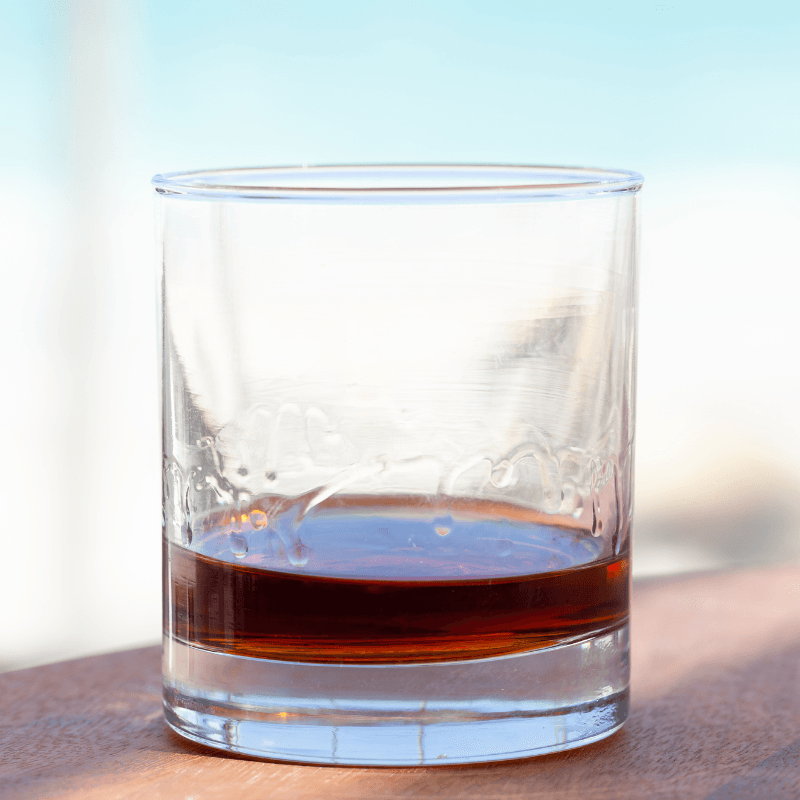
Tropical ageing refers to rum matured in hot, humid environments – typically in the Caribbean or tropical and sub-tropical parts of Central and South America, where the rum-making tradition stretches back almost five-hundred years and the highest number of rum distilleries are still to be found.
These sultry climates create the ideal conditions for rapid, flavour-intensive maturation.
In the tropics, the constant high temperatures accelerate the ageing process. Heat (along with relatively cooler nights) increases the interaction between the oak and spirit, drawing out colour, wood-derived compounds (and products of reactions with compounds in the wood), and the building blocks for complex flavour reactions which happen over time in the liquid, all at a much faster rate than in cooler climates. A rum aged for just 3-5 years in the tropics can easily develop a depth and maturity comparable to 8-12 years of ageing in temperate regions.
The Angels’ Share (the portion of liquid lost to evaporation) is also significantly higher in tropical climates: in the hottest rum-making regions, typically 5 or 6 times that of cool temperate zones – take Scotch whisky for example, and its rule-of-thumb 2% annual angels’ share. However, in dry-tropical environments (not typical of most rum distilleries) the spirit often develops a higher ABV due to a higher rate of water evaporation than in humid climates, where the ABV will reduce over time.
The outcome? Rums with vibrant top notes, deeper colour, and a flavour profile that vary from distillery to distillery but often lean toward ripe fruit, baking spices, toffee, and vanilla (from younger barrels). Micro-oxidative reactions also play a vital role, catalysing countless chemical transformations within the liquid that shape a rum’s final character. In tropical ageing, these reactions happen faster and more prevalently, adding an exotic complexity.
Temperate or “Continental” Rum Ageing
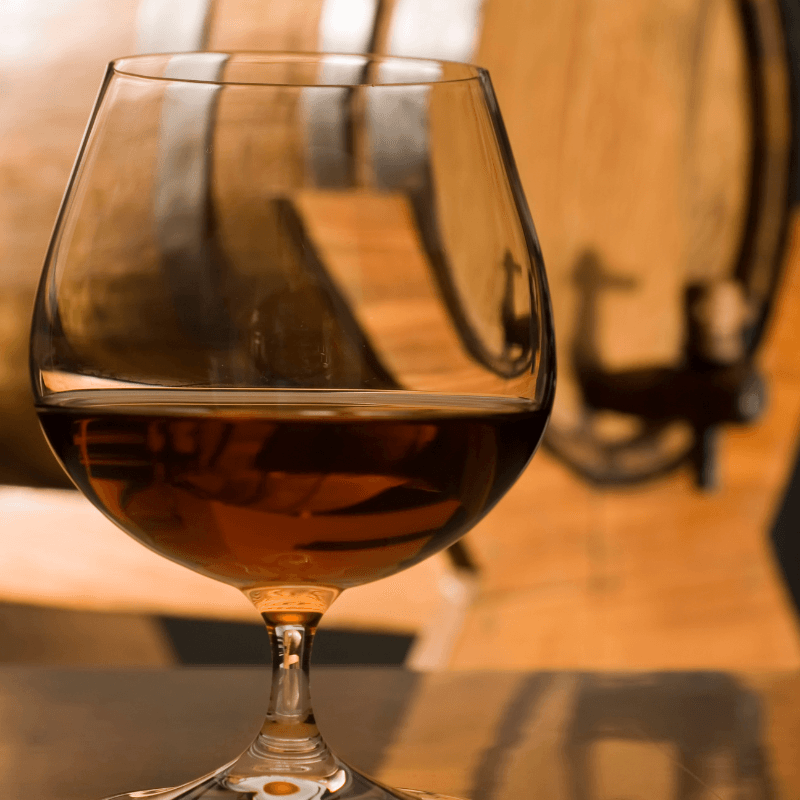
Temperate maturation, often referred to as “continental” ageing nowadays (which is somewhat misleading, given the well-accepted definition of “continental” in the winemaking industry, meaning climatically isolated from maritime influence!), refers to rum matured in cooler regions of the world away from traditional rum distillation centres.
These temperate maturation facilities are typically located in Europe and North America, where many fresh rums arrive in bulk from tropical distilleries and are filled into casks for gradual ageing.
Unlike the intense heat of the tropics, these temperate climates promote a slower, more controlled ageing process that preserves the spirit’s subtleties and complexity.
In these conditions, both temperature and humidity are lower, reducing the rate of interaction between the rum and the oak. Evaporation, or the angel’s share, occurs much more gradually, and water and ethanol tend to evaporate at a more balanced rate. Over time, this leads to a decrease in both bulk volume and ABV, resulting in a mellower, more refined spirit with a gentler, better-controlled oak influence.
The result? Rums that are typically smoother, more delicate, and – through careful cask management and “re-racking” – rich in layered nuance, and perfect for sipping neat. Continental ageing allows producers greater control over the maturation environment, enabling them to target specific flavour outcomes and greater consistency across batches.
But continental ageing is not a passive process. In Europe, many producers fine-tune conditions within their warehouses to encourage different aging profiles. Factors such as cellar humidity, warehouse airflow, and cask position can impact the way the spirit matures. Cask re-racking (the process of switching maturing rum from one cask to another to adjust the influence of the cask and the trajectory of profile evolution) is also a critical element and a widespread practice in the field of temperate ageing.
The Best of Both Worlds: Hybrid Rum Ageing
In the world of rum maturation, some distillers and bottlers choose to age their rum entirely at origin, highlighting a strong sense of place and authenticity. Some (particularly certain very large global rum brands) operate a totally temperate ageing model.
Others, however, embrace so-called hybrid rum ageing – an approach that combines the best of both worlds: tropical and continental ageing.
This dual approach begins in the tropics where high temperatures rapidly mature the rum, intensifying fruity esters, delivering richness and intensity, and in some cases (depending on the distillery’s “wood policy”), a robust oak influence. To avoid excessive evaporation and over-extraction, the partially aged rum is then transferred to Europe (or other temperate regions) in bulk, or sometimes in its original casks, for the continental ageing phase. Here, the spirit continues to evolve at a slower pace, gaining balance and smoothness, producing rums tempered by the refinement of slow ageing in far milder conditions.
When paired with cask finishing in say ex-sherry, port, or wine barrels – as is a common technique amongst continental and hybrid ageing houses and boutique bottlers – the result is a rum with exceptional depth, appealing to both casual drinkers and seasoned enthusiasts. Learn more about different cask finishes for rum here.
Going Further: The Role of Altitude in Ageing
How Altitude and Atmosphere Affect Rum Ageing
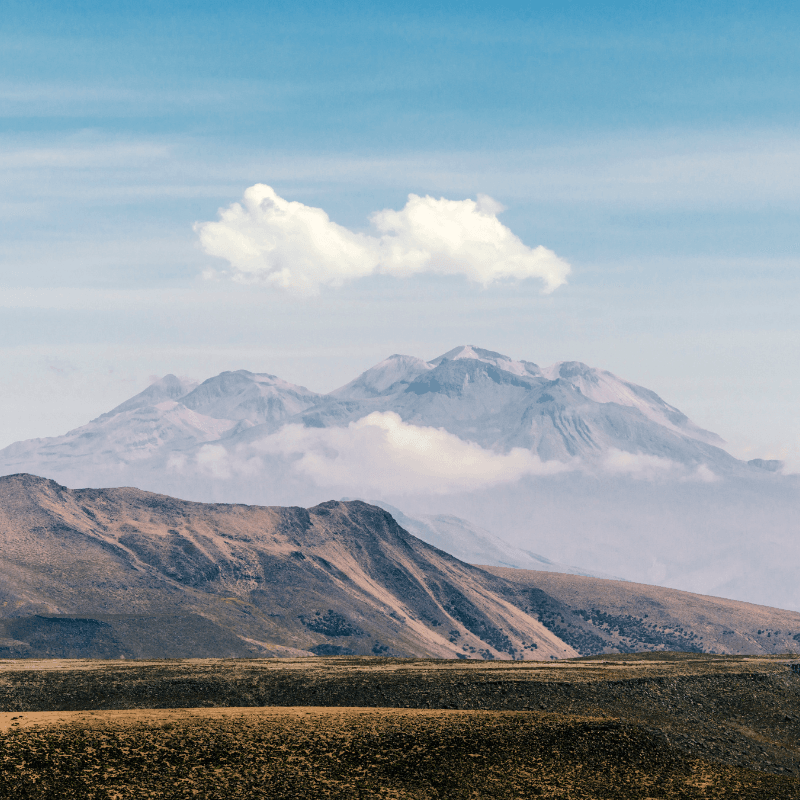
We’ve explored how climate, in particular temperature and humidity, shape the rum ageing process, but what about altitude?
Can elevation really impact how rum matures?
The short answer: yes.
From mountain distilleries to sea-level warehouses (and even beneath the waves -although the jury’s still out on that one!), geographical elevation can influence rum ageing in unique and sometimes quite discernible ways. Variations in pressure, temperature, and oxygen exposure all affect how rum interacts with the cask, the speed of maturation, and of course the resulting flavour profile.
High Altitude Rum Ageing
Though relatively rare, high-altitude rum ageing is increasingly gaining attention for the distinctive qualities it imparts. In mountainous regions like the Guatemalan highlands or the Colombian cordilleras, cooler temperatures and lower atmospheric pressure significantly slow down the ageing process. The result is a more gradual extraction of oak compounds and a refined, smooth spirit – similar in profile to rums aged in continental European climates.
A benchmark example is the rums of Añejos de Altura’s ageing warehouses in Quetzaltenango (try as a reference Ron Zacapa 23), produced in Guatemala and aged at exactly 2,300m above sea level (this precision only applies to the bottom rung of barrels in the racking!). The slower maturation here, combined with their well-known barrel programme, including ex bourbon, oloroso, PX and Cognac casks, contributes to Zacapa’s rich layered complexity. According to Master Blender Lorena Vásquez, the high-altitude environment underpins what she calls ‘The Art of Slow’ – a philosophy built around controlled, extended ageing, much the same as continental ageing yet only a relatively short haul by tank-truck from the actual distillery.
High-altitude distilling (even less common than high-altitude ageing) can also influence the production process. Lower atmospheric pressure means alcohol vaporises at lower temperatures, allowing for gentler distillation and cleaner cuts. But it’s still in the barrel where the transformation occurs, as the fluctuation between warm days and cool nights encourages subtle, repeated movement of the spirit into and out of the oak, shaping a distinctive flavour profile over time.
Low Altitude Rum Ageing
At the opposite extreme, to the best of our knowledge, only whisky distillers have ventured “below cellar level” on land (namely Milk & Honey Distillery in Israel, which has experimented with ageing spirits along the shores of the Dead Sea, the lowest land point on Earth, at around 400m(!) below mean sea level).
This extreme low-altitude environment features intense heat, elevated atmospheric pressure, and also high salinity. These factors accelerate the ageing process and further increase the interaction between spirit and cask. The result is a bold, expressive spirit with concentrated flavours and a character that is impossible to replicate in more traditional settings. When it comes to rum however, for now sub-sea level ageing (on land) remains very much an unexplored concept.
Underwater Rum Ageing
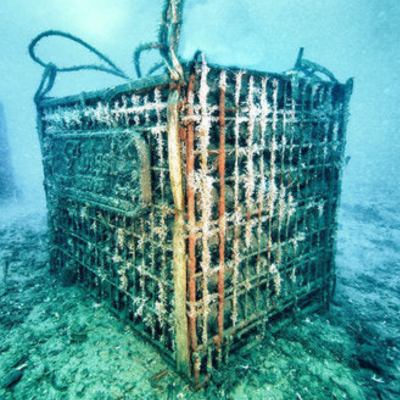
Taking innovation a step further, some producers are turning to the ocean itself to age rum. Underwater rum ageing is an experimental, slightly wacky, but nonetheless fascinating approach that draws inspiration – according to Cayman Sprits Co, from maritime history, when barrels of rum naturally matured during long sea voyages (presumably the part when they fell overboard!).
Their brand, Seven Fathoms Rum, is aged approximately 13 meters (seven fathoms) beneath the sea. The distillery claims that constant pressure changes (twice-daily tidal shifts create subtle pressure fluctuations) and the gentle ocean movement increase the spirit’s molecule-by-molecule contact with the oak and its migration into and out of the staves, resulting in a smoother, more harmonious maturation. While scientific data on underwater ageing is still scant, it’s clear that the technique reflects a broader trend: distillers exploring creative, climate-based methods to enhance flavour and craft distinctive expressions.
Beyond The Basics: The Science Behind Rum Maturation
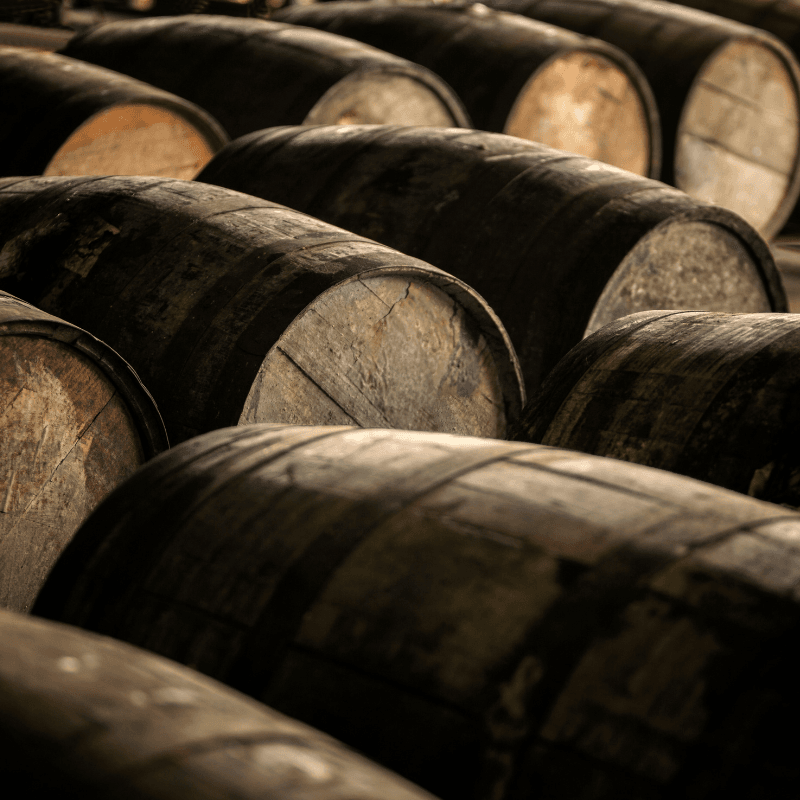
While climate and cask type play a key role, rum maturation also is the result of a complex set of chemical and physical processes.
These processes unfold gradually over time, inside the cask, and under the influence of pressure, temperature, and small amounts of oxygen.
One of the key mechanisms within the natural cask maturation process is referred to as “additive activity”. As rum rests in casks, it begins to draw out compounds from the wood (and some products of reactions or hydro-/ethanolysis with the wood), including lignin, tannins, cellulose, and hemicellulose (as well as any in-drink of wine or spirit from the cask’s previous contents). These natural wood extractives, directly or through interactions, impart colour, body, and flavour, including the development of toffee, vanilla, spices, and other wood-derived notes associated with aged rums.
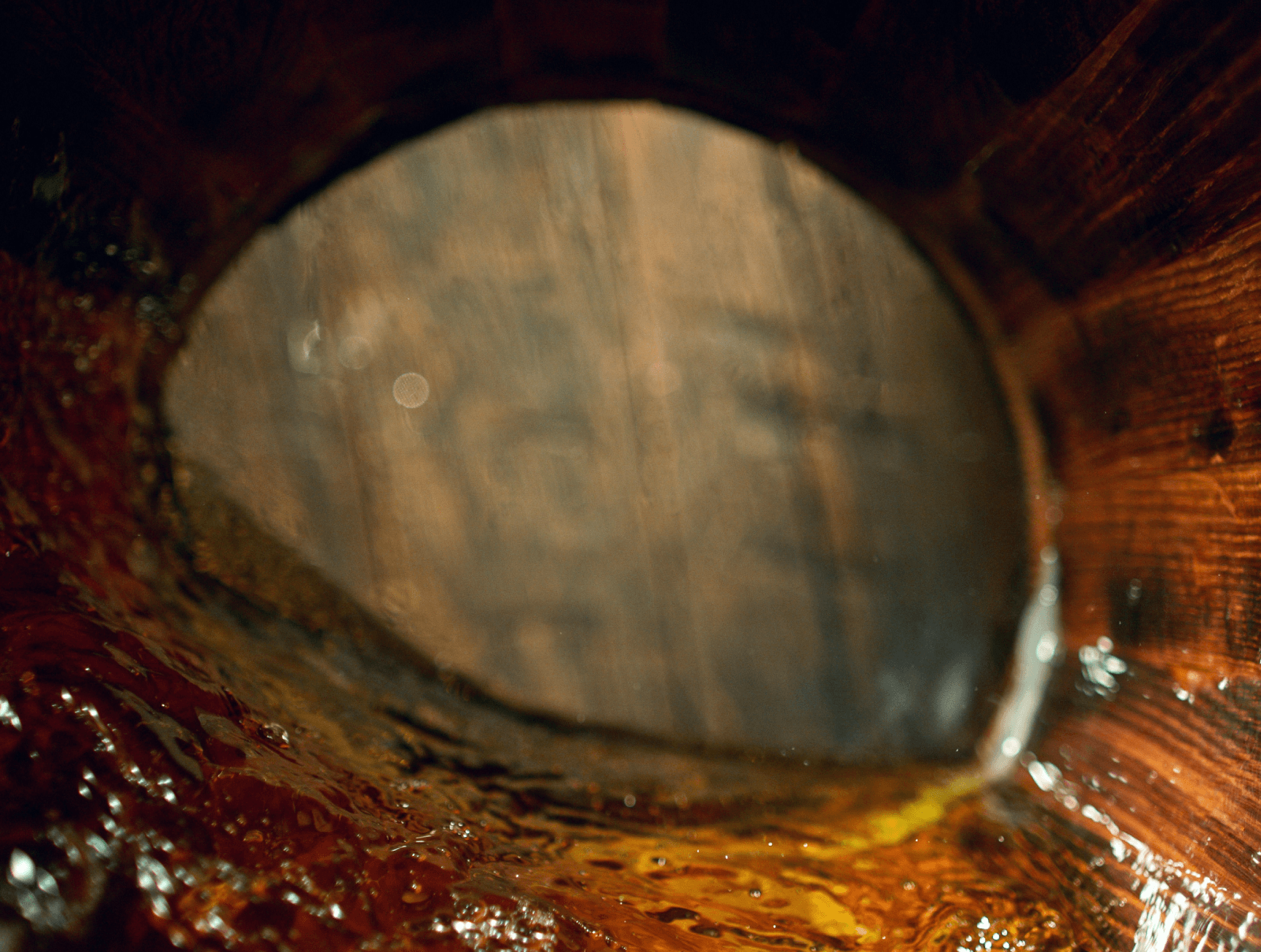
Internal pressure dynamics within the barrel play an invisible but powerful role, driving additive activity. As temperatures fluctuate, both diurnally and seasonally, pressure in the barrel (being a hermetic vessel) causes the expansion and contraction of the contents (that is, the liquid plus any air in the headspace), pushing and pulling spirit into and back out of the wooden staves. This daily ‘breathing’ motion increases the interaction between spirit and oak, promoting both extraction and oxidation.
Another crucial process is esterification – the formation over time of flavour compounds known as esters through chemical interaction within the liquid itself. These are created when alcohols react with acids, principally during fermentation, but also to a lesser degree during distillation and maturation. Esters, along with other desirable congeners, play a vital role in defining a rum’s aroma and taste. As time passes, esters – often those formed during fermentation – can react and evolve, forming new chains or structures, each with totally new aromatic attributes, thereby contributing to the layered complexity of a well-aged rum.
Micro-oxidation also plays a key role. As the spirit interacts with small amounts of air in the cask, oxygen very slowly and subtly alters the chemical composition of the rum. This gentle exposure encourages further esterification, and works to soften alcoholic sharpness and tannic astringency, resulting in a smoother, rounder finish.
Taken together, these processes form the invisible engine of rum ageing, driven by chemistry, cask selection, and ultimately climate. By understanding and harnessing these forces, distillers can shape rum with greater precision, complexity, and character.
Adapting to Climate Change
Climate change is no longer a distant threat; it’s already reshaping the global spirits industry. For rum producers, rising temperatures, shifting humidity levels, and more frequent extreme weather events are directly impacting how casks mature.
Climate Change and the Future of Rum Ageing
Tropical ageing regions like the Caribbean are particularly vulnerable. Prolonged heatwaves, unpredictable rainfall, and increased evaporation rates can lead to over-extraction, flavour inconsistency, and shorter maturation windows. In some cases, producers may be forced to move ageing operations, or at the latter stage of the ageing process, to cooler temperate climates to preserve balance and quality.
Agricultural Pressure on Sugarcane
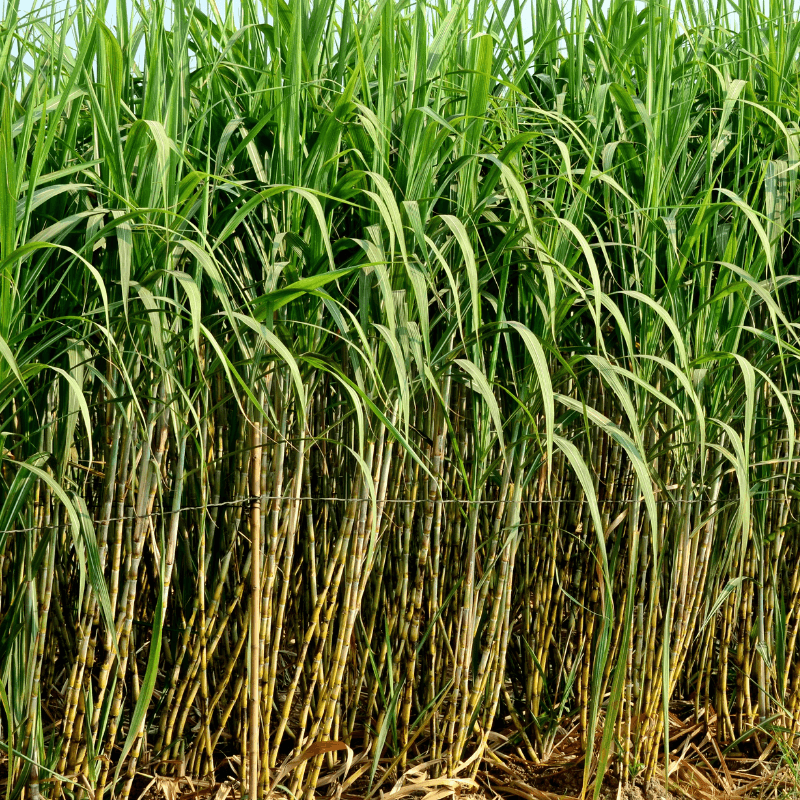
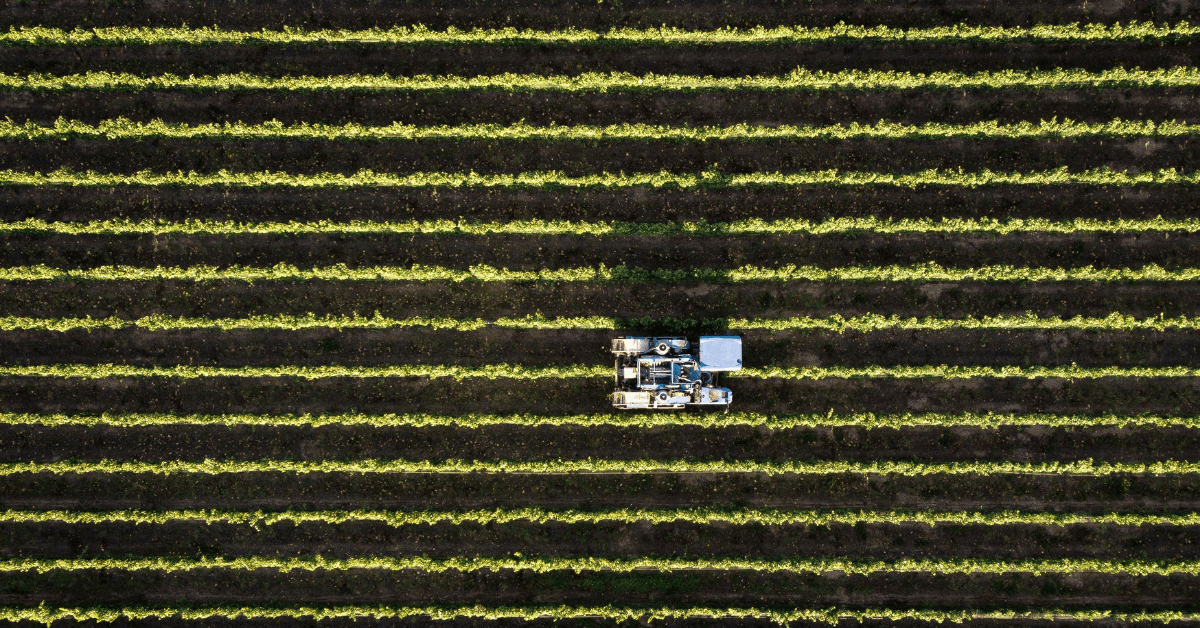
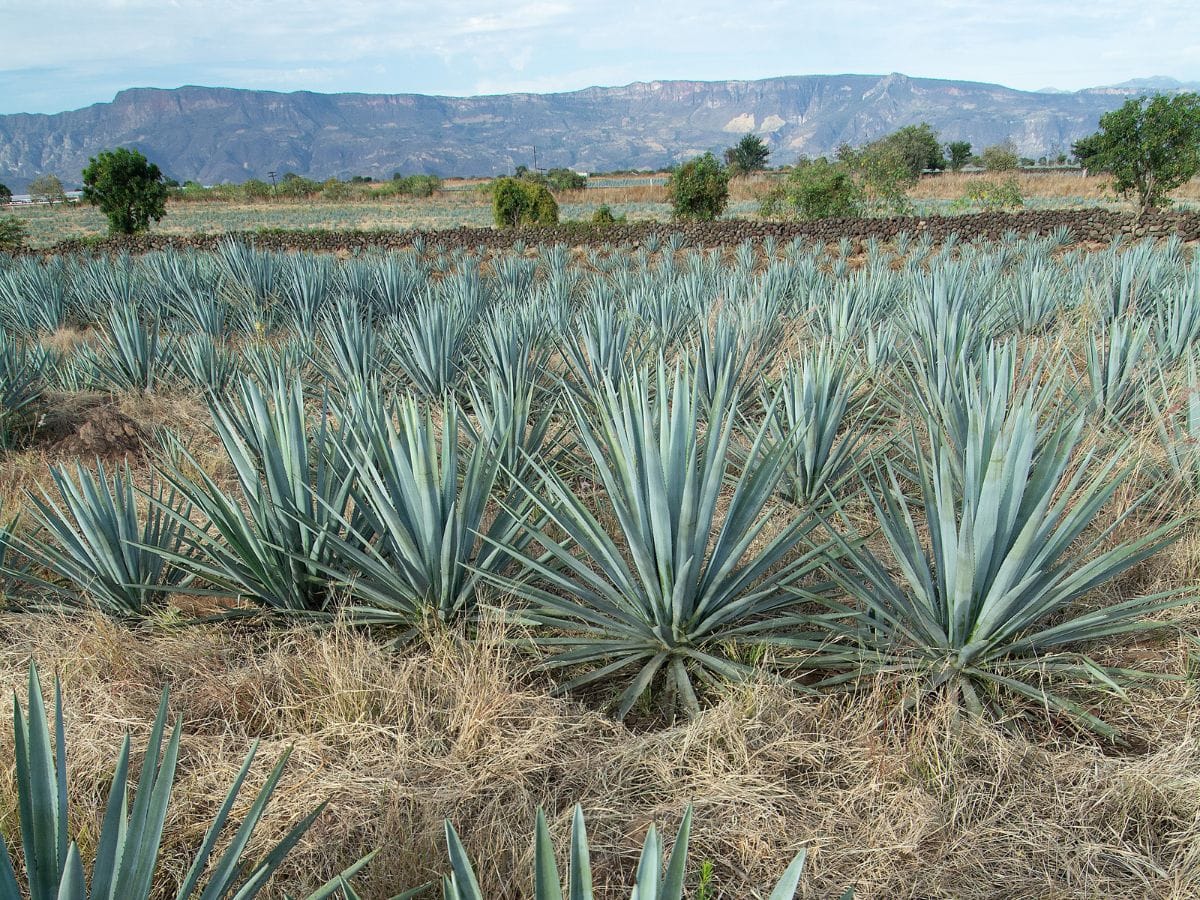
On the agricultural side, the sugarcane fields that supply its core ingredient are also under increasing strain.
Sugarcane is a water-intensive crop, and key growing regions, from the Caribbean and Central America to Australia and Southeast Asia, are experiencing more frequent droughts, soil degradation, and saltwater intrusion from rising sea levels.
Shifting climate conditions are altering harvest schedules, reducing yields, and placing pressure on long-term supply stability. For producers, this makes diversification and smart sourcing more important than ever.
How Distillers Are Responding: Sustainable Innovation
Many forward-thinking rum makers are now turning environmental challenges into innovation opportunities, adopting new practices across the entire production chain.
Some of the most impactful shifts include:
- Carbon capture: Trapping CO₂ during fermentation to reduce emissions and reuse it for carbonation or fuel.
- Regenerative agriculture: Partnering with cane farmers to improve soil health, reduce input use, and conserve water.
- Renewable energy: Investing in solar, biogas, and biomass systems — often powered by distillery byproducts.
- Circular waste systems: Upcycling sugarcane waste (bagasse) into sustainable packaging, building materials, or energy.
- Sustainable cask strategies: Embracing second-fill and refurbished barrels to extend cask life and reduce new oak demand.
At Ethimex Cask Solutions, we actively support these efforts by providing distillers with access to refurbished and repurposed casks, helping them reduce environmental impact while still achieving their desired flavour profiles.
Looking Ahead: Rum’s Evolving Ageing Strategy
As global conditions shift, so too does the way rum is aged, blended, and brought to market. From high-altitude warehouses in the Guatemalan highlands to underwater maturation beneath the Caribbean Sea, producers are rethinking what’s possible — not just to chase novelty, but in many cases to preserve quality, consistency, and environmental integrity.
While climate, elevation, and chemistry each play interconnected roles in rum maturation, it’s how producers adapt to these variables that will define the next chapter of aged rum. Dual-climate hybrid ageing, sustainable distilling, and smarter cask strategies are no longer niche practices, they’re becoming essential tools for producers looking to stay competitive in an increasingly climate-conscious market.
Conclusion: Rum’s ‘New Age’ of Ageing
At Ethimex, we’re proud to support this evolution, and the entire global rum industry, supplying premium bulk rum (both as fresh aguardientes and as cask-aged rums of 1-25 year), as well as the innovative casks offered by Ethimex’s Cask Solutions division, which enable rum distilleries and ageing houses to explore innovative maturation and finishing approaches, building on quality and consumer appeal without compromising on the allure of provenance.
Looking to future-proof your rum programme?