
When it comes to crafting exceptional spirits, the choice of base alcohol matters. At Ethimex, we’ve been trusted for over 25 years to deliver world-class spirits and we know that understanding your raw materials, from source to spirit, can make all the difference.
Whether it’s vodka, gin or beyond, base spirits can be distilled from a variety of ingredients – including grains, potatoes, and even milk. But what are the real differences between grain and potato alcohol?
In this article, we’ll explore the key distinctions between potato and grain spirit. Covering production methods, flavour profiles, market share, sustainability, and consumer appeal.
What are Potato and Grain Spirits?
Put simply, the difference starts with the base ingredient: grain spirits are distilled from cereals like wheat, rye, corn, or barley, while potato spirits are producing using high-starch potatoes – each delivering a distinct result in character and yield.
While both produce neutral alcohols typically distilled to a minimum of 192 proof (96% ABV) depending on region, they yield distinctly different results in flavour, texture, and production efficiency.
Grain spirits dominate the global market, while only 3% of vodka sold worldwide is made from potatoes, making up a small but premium niche.
Grain Neutral Spirits (GNS)
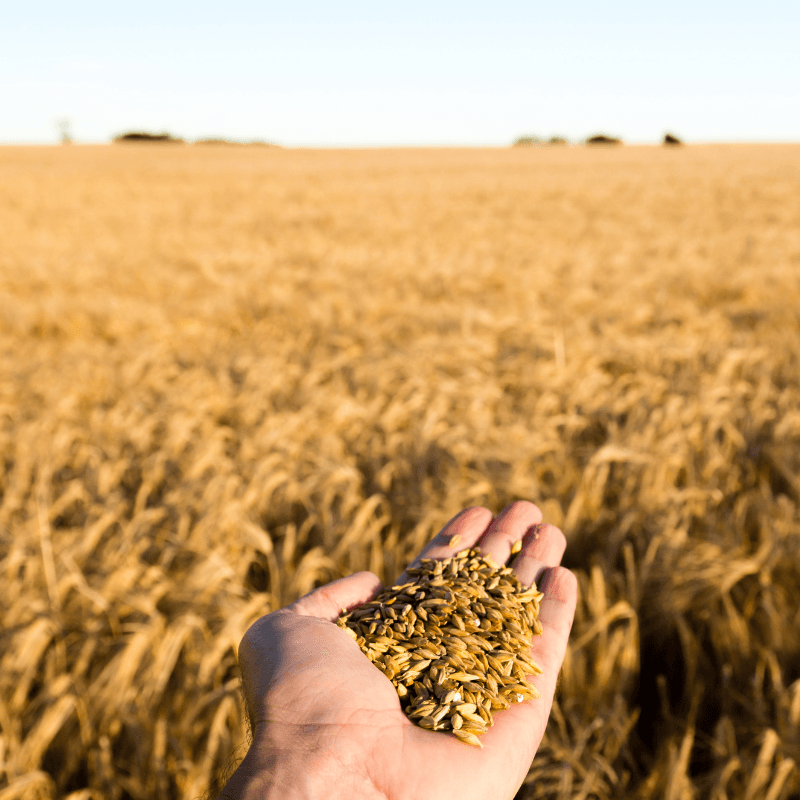
GNS is made by fermenting and distilling cereal grains – such as wheat, corn, rye or barley until a high-purity, odourless, tasteless alcohol is produced.
It is widely used in the production of vodka, gin, liqueurs, RTDs, extracts, and other compound spirits due to its clean profile and versatility.
GNS has to adhere to strict guidelines and legislation controlling both strength and quality. In the UK and EU it must be a minimum of 96% but if you’re in the US, 190 proof.
Potato Spirit
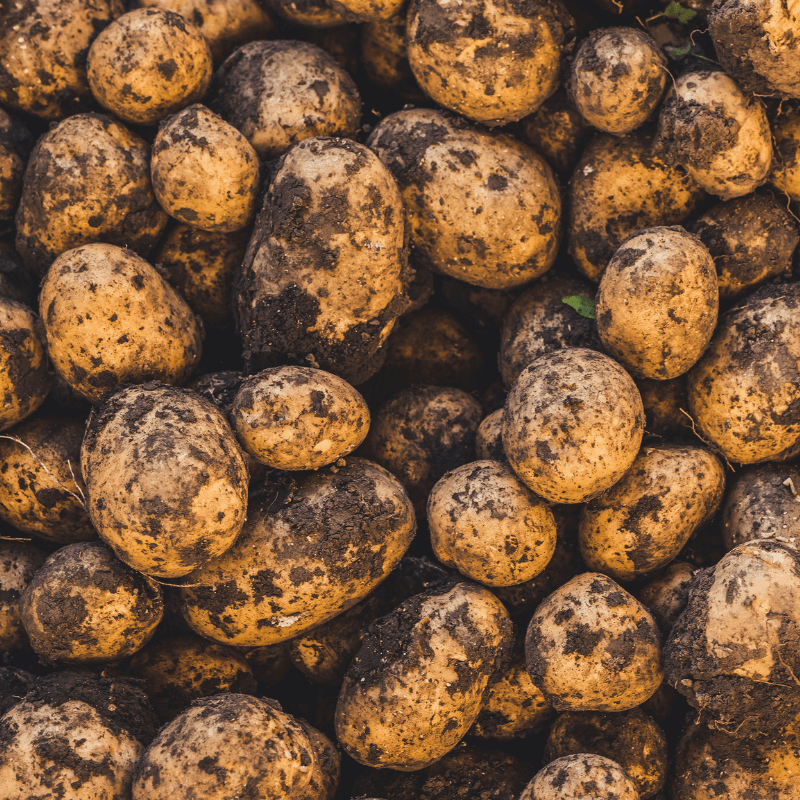
Potato spirit, also known as potato alcohol or potato surfin is made in a similar way, but the starch comes from potatoes rather than grains.
While still considered neutral, it typically has a richer texture and slightly fuller mouthfeel.
Potato spirit is popular for crafting premium spirits that are intended to be sipped neat. As well as being favoured by some bartenders for certain cocktail profiles.
Learn more about Potato Spirit here.
Grain and Potato Spirit Production
Both grain and potato spirits are made by converting starch into sugar, fermenting that sugar into alcohol and then distilling it, often several times to produce a high-purity neutral spirit (typically around 96% ABV).
However, there are some key differences in the process.
How Are Potato Spirits Made?
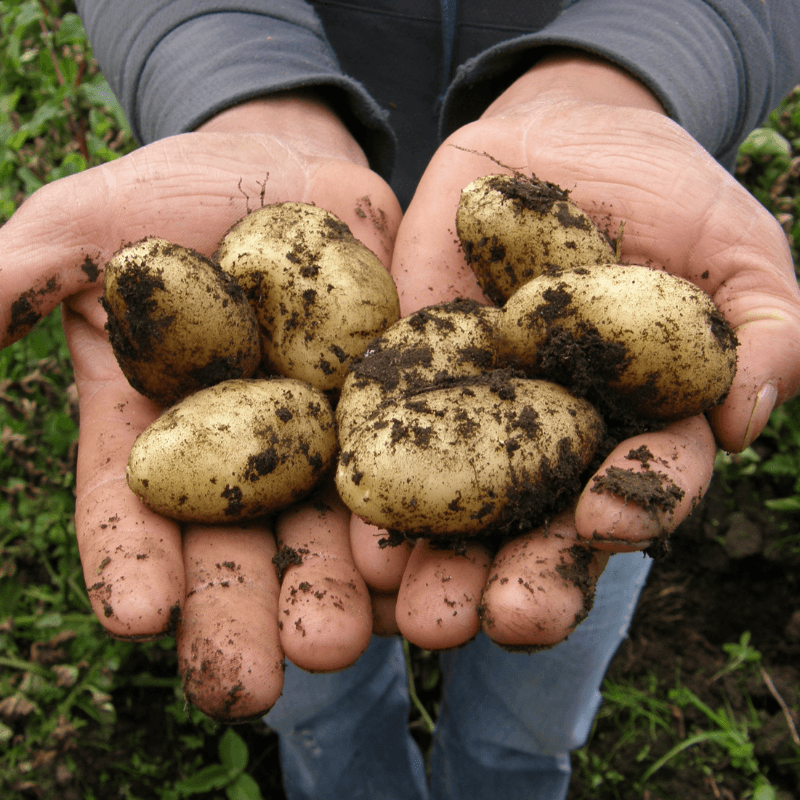
It all begins with high starch potatoes. You can’t make good potato spirit from any old bag of spuds.
Ideally, you want a starch content of around 25%, and it’s best to use smaller potatoes, as they typically contain more starch than larger ones, which tend to be swollen with water.
Even with high starch varieties of potatoes, the yield is very low. With numbers quoted, around 15 tons of potatoes produce only 1,000 liters of spirit at 96.4% ABV.
Once washed and cleaned to remove any impurities, the potatoes are cooked (typically by boiling or steaming) to break down the starch into simpler sugars then mashed. The mashed potatoes are combined with yeast and water to begin the fermentation process, converting the sugars into ethanol.
Fermentation typically takes place in a potato still, with a dry matter content of 80% (26-27% of which is starch). Fermentation for potato spirit is carried out to 11-12% ABV (22 brix, 22% sugar) for 72 hours. This is to ensure the liquid is of consistent quality and proof. Brix is the measure of the sugar content in a solution, where 1 degree Brix is equivalent to 1 gram of sucrose in 100 grams of solution.
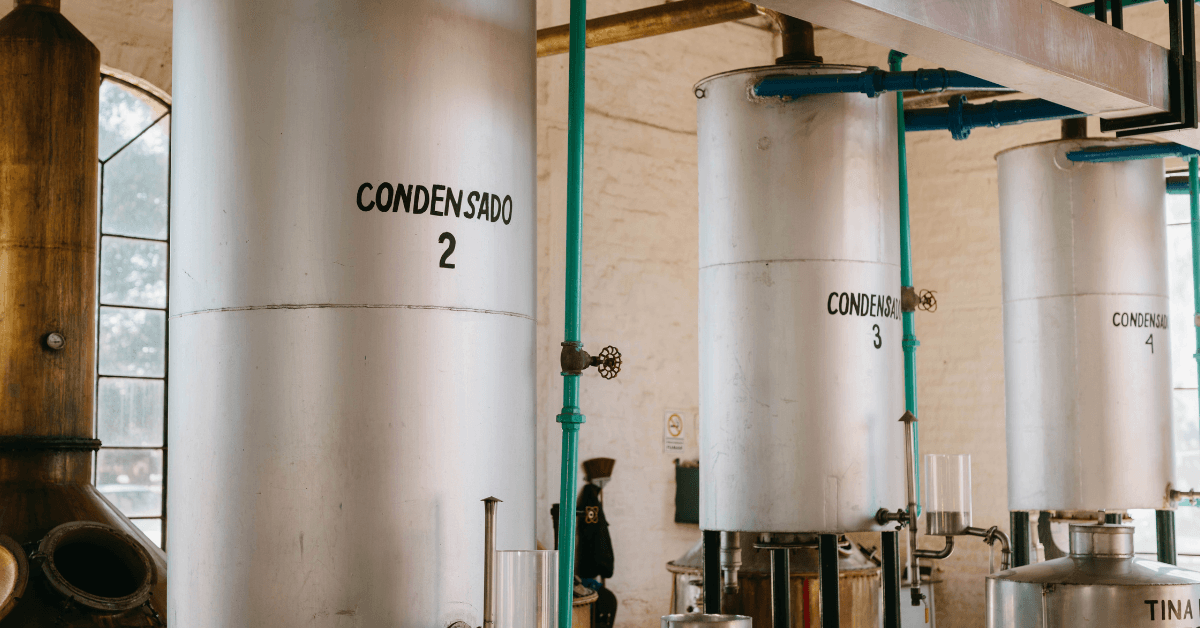
The fermented liquid is then distilled, usually in a column still where it undergoes repeated distillations to separate the ethanol from water and impurities. Potato alcohol production results in a high amount of methanol due to the pectin in the potato skin. Depending on the capacity of the distillation and rectification column, the potato spirit may require an additional run through a demethaniser to reduce methanol levels.
Overall, potato-based spirits are highly refined and a more labour-intensive product. The potatoes require more manual handling and a relatively long fermentation. Although it is a rigorous process, the unique character it imparts makes up for the additional effort and cost which may be better suited to small-batch, artisanal production. Despite this, there are a range of producers from small to large that make the effort to produce potato vodka successfully.
How Are Grain Spirits Made?
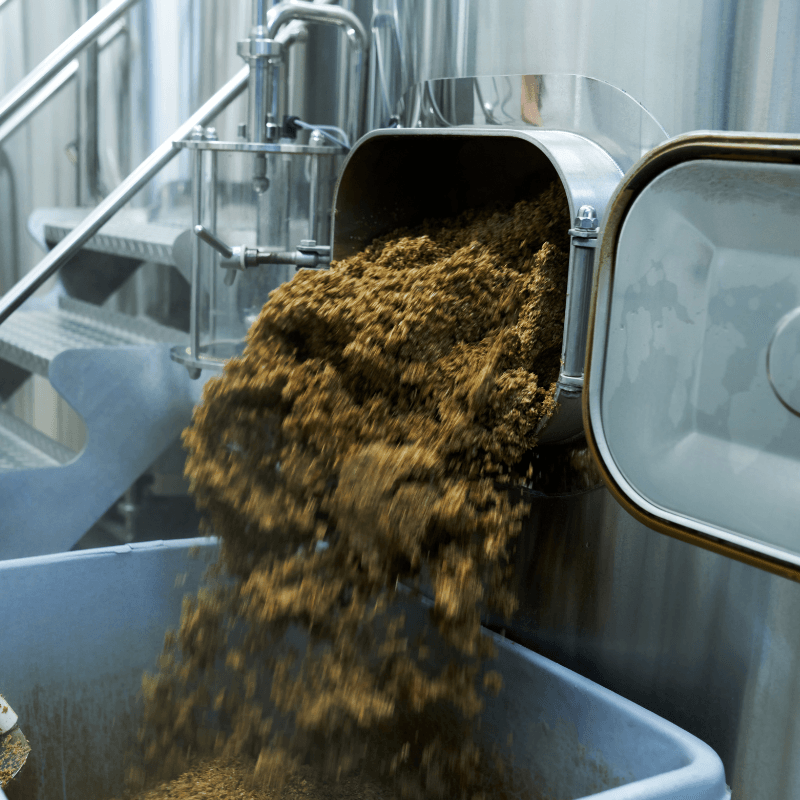
Grain spirit distillation uses a very similar process to potato.
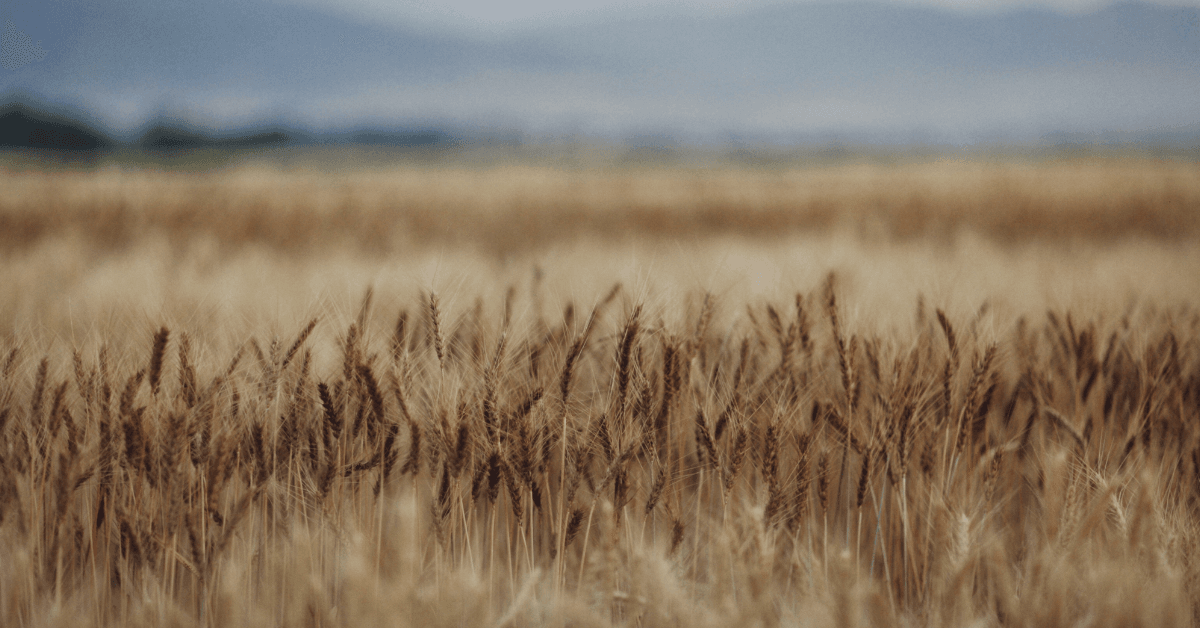
It begins with your chosen grain – either wheat, barley, rye. or corn.
The selected grain usually depends on geographical location.
In the UK and Europe, wheat (particularly winter wheat) is very popular as the climate is well suited. Winter wheat is a particular variety planted in the Autumn months. Once sown, the seeds begin to germinate, and the plant starts to grow. However, when the temperatures drop, the crop enters a dormant phase during the winter. This period of cold exposure, known as vernalisation enhances the plant’s ability to produce more fermentable sugars, ultimately leading to a higher yield.
Corn and rye are often the preferred grain in the United States – again simply because these crops grow very well here. And majority of barley is produced in Russia, as well as Germany, France and Ukraine.
Now, on to the production process. The grain is cleaned and then milled to expose the starches. The milled grain is mixed with hot water to form a thick porridge-like mixture called a mash. Once cooled, yeast is added to start fermentation. The yeast consumes sugars, producing alcohol (ethanol) and carbon dioxide.
This results in a low-strength alcohol liquid called a wash, which has a relatively low alcohol content. The distillation process increases this by repeatedly vapourising and condensing to remove the water and produce a purer and higher-proof alcohol. The most common impurities are trace amounts of methanol, aldehyde, and esters, which can provide a specific taste for the drinker. Amounts are strictly regulated and conform to current safety guidelines.
The more times the alcohol is distilled, the smoother and more palatable the flavour. In some processes, especially premium or ultra-pure varieties, the spirit undergoes further rectification to remove trace impurities and improve smoothness. Some producers also filter the grain spirit through charcoal or quartz sand to further purify it.
Overall, grain-based spirits are easier to scale and more efficient to produce. Grain crops are high in sugar and ferment quickly, making them a natural fit for large scale production, which is reflected in the market share.
Flavour Profile and Characteristics
Despite being neutral by definition, grain and potato spirits show subtle, yet notable differences in taste and mouthfeel.
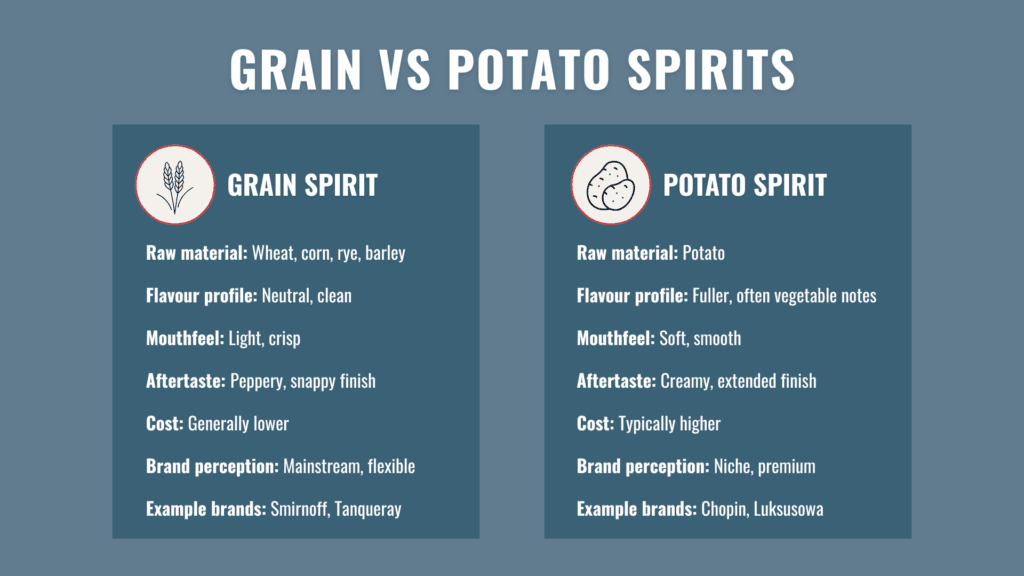
Let’s have a more detailed look at grain and potato spirit characteristics and flavour profiles.
Potato Spirit Flavour Profile
Despite complexities in production, potato spirit offers unique rewards in terms of mouthfeel, texture and flavour. Its creamy, full background character offers a particular body to the spirit, which is why it can be an excellent base spirit for top-quality vodkas.
The creamy texture and fuller flavour may also contain interesting vegetable notes, with a base that opens up on the mouth, providing a naturally round and extended finish.
Potato spirit is an excellent carrier of flavour, creating a longer journey. On the front of the pallet, citrus notes can be detected, followed by earthy spice. These flavours come from the alpha-pinenes, a compound found primarily in plants such as pine or rosemary. They are often used in the food, beverage, and the fragrance industry to add flavour to oil and diffusers.
Grain Spirit Flavour Profile
By contrast, grain spirit is more neutral in flavour. It doesn’t carry flavour as well and has much more of a sharp drop-off on the palate. It is, however, just as versatile when it comes to providing a fresh base for fruit additives. Grain spirits are the perfect blank canvas for gin in particular, but also sweeter cocktails or RTD’s. The fresher top notes prevent a fruit-heavy cocktail from becoming overly sickly or too sweet. They also pack a punch with a strong finish.
People who prefer pure vodka or gin as a spirit to drink often prefer the mouthfeel and flavour complexities of a potato base to drink neat. In contrast, grain-based spirits make an excellent addition to a mixologist’s cabinet. As far as the different types of grain spirits go, it is surprisingly difficult to tell whether a vodka has been made from wheat in comparison to maize or rye. They are almost identical, with minor differences probably only perceptible to those with sensitive or trained palates. However, the difference between grain and potato spirit is far more pronounced.
Market Appeal and Economic Outlook
The choice between grain and potato spirits is often shaped by production economics and market positioning. Grain-based spirits, particularly those using wheat or corn, are typically more cost-effective to produce due to higher yields per hectare and easier processing. This makes them well-suited to large-scale, mainstream vodka production where price competitiveness is key.
Potato spirits, by contrast, require more raw material to produce the same volume of alcohol, resulting in higher input costs and longer distillation times. The yield is comparatively lower, a large quantity of potato feedstock produces only a modest volume of spirit. This inefficiency, paradoxically, can be a strength. It positions potato vodka in the premium space, where craft and quality command higher price points. In economically uncertain times, some producers may pivot to grain spirits for better margins, while others lean into the cachet of artisanal production to justify premium pricing.
Ultimately, the economic appeal of each base depends on your brand strategy.
Sustainability Implications
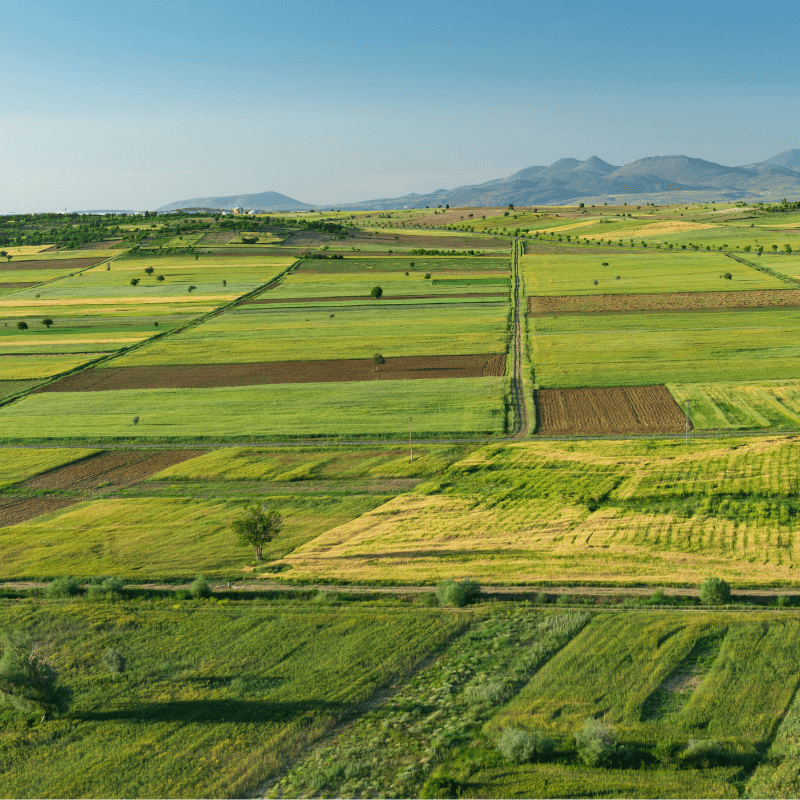
Sustainability is increasingly influencing spirit sourcing decisions.
Both potato alcohol and neutral grain spirits can be seen as sustainable options, depending on how they are produced and sourced.
Both potato and grain can be sourced as by-products.
Grain crops, particularly wheat and corn, tend to come out ahead on both cost and sustainability. They offer high efficiency per acre, can be grown at scale with consistent yields, and benefit from established supply chains that reduce emissions from transport and processing.
Potatoes, while viable and locally abundant in cooler climates, are more sensitive to soil and weather conditions and require significantly more biomass to produce an equivalent alcohol yield. This can increase water usage and land impact per litre of spirit. That said, when locally sourced and combined with sustainable farming practices, potato spirit production can still offer a responsible, low-waste option.
For brands prioritising sustainability, the key lies in weighing raw material impact alongside logistical and supply chain efficiency.
Consumer Appeal

At the consumer level, both potato and grain spirits hold strong but distinct appeal, shaped by evolving drinking trends.
In the 1980s and 90’s, potato vodka enjoyed a reputation for quality and was often sipped neat as a premium product. However, over the past few decades, consumer preferences have shifted towards mixed drinks and cocktails. In these serves, the subtle nuances of the base spirit become less detectable, which reduces the incentive to use a more expensive or characterful spirit like potato vodka.
Grain spirits have continued to grow in popularity thanks to their clean, neutral profile, ideal for mixologists and bartenders who want a base spirit that adds alcohol strength without altering the flavour of other ingredients. The neutral grain spirit blends more seamlessly into cocktails and is often preferred for its balance and versatility, especially when mixed with fruit or herbal notes. That said, potato-based vodkas and gins still retain a loyal following among those who enjoy sipping their spirits neat and appreciate the mouthfeel. While many drinkers value this richness, others may find it less appealing in a mixed format.
It’s also worth noting that both potato and grain-based vodkas are gluten-free, as distillation removes gluten proteins, making either a suitable choice for gluten-intolerant consumers.
Final Words On Potato Vs Grain Spirit
Both grain and potato spirits bring distinct advantages to the table – from the clean, neutral character of grain spirits suited for large-scale production, to the creamy complexity of potato spirits favoured in premium and artisanal ranges.
Grain remains the dominant base globally, driven by cost efficiency, scalability and consumer familiarity. But potato spirits continue to carve out a valuable niche, particularly among discerning drinkers and brands seeking a point of difference in flavour, texture and story.
For distillers and developers, the decision between grain and potato isn’t simply a matter of taste. It’s a strategic choice shaped by economics, sustainability, market positioning, and evolving consumer expectations.
As innovation accelerates and sustainability becomes a strategic imperative, both potato and grain spirits will remain essential tools in a brand’s portfolio. Forward-thinking producers will be those who make informed, deliberate choices, aligning base spirit selection with evolving consumer preferences, production goals, and environmental responsibilities.
Looking for the right base spirit? Let’s talk.
Whether you’re crafting a clean, versatile vodka or a bold, characterful gin, Ethimex can help you source the ideal base spirit – grain or potato, to suit your brand, process and goals.