
Scotch whisky remains one of the most resilient and respected spirits in the global marketplace. Despite economic headwinds and shifting consumer behaviours, demand for Scotch, particularly in bulk, continues to hold strong. For both established brands and emerging players, bulk Scotch whisky offers a strategic route to innovation and growth. But with complex regulations, flavour expectations, supply chain pressures, understanding the category in depth is more important than ever.
As a heritage spirit and global benchmark for quality and craft, Scotch whisky represents both an opportunity and a responsibility for buyers sourcing at scale. Delivering exceptional flavour, ensuring compliance, and protecting brand integrity across markets are essential to success.
Whether you’re a blender expanding your portfolio, a bottler seeking consistency, or a brand builder ready to scale, understanding the fundamentals of bulk Scotch whisky is essential.
In this article, we’ll cover everything global buyers need to know. From legal definitions and flavour drivers to the role of cask selection, sourcing strategies, and how Ethimex helps streamline supply at scale.
Before You Begin: Bulk Scotch Whisky Legal Requirements
It’s important to note if you’re planning to import, bottle, or market Scotch whisky in bulk outside Scotland, you must be verified by HMRC under the Spirit Drinks Verification Scheme. This scheme ensures that all Scotch whisky complies with the strict production and labelling standards that protect its Geographical Indication (GI) status.
Without this verification, you cannot legally market your product as Scotch whisky, regardless of origin or quality. Verification involves submitting an undertaking to HMRC and may include site visits and compliance checks.
Scotch Whisky: A protected Spirit with Global Prestige
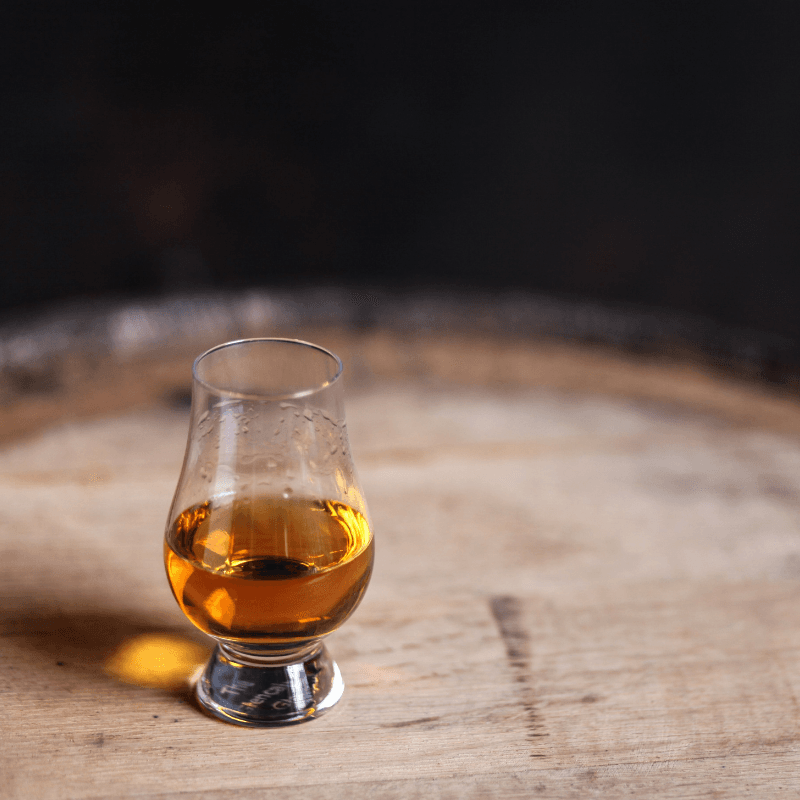
Scotch whisky is one of the most tightly regulated and internationally respected categories in the world. To qualify as Scotch whisky under the Scotch Whisky Regulations, the spirit must:
- Be distilled and matured in Scotland
- Age in oak casks for a minimum of 3 years
- Be made from malted barley (malt whisky) or a mix of malt and grain
- Meet strict standards in production, labelling and bottling
These rules ensure authenticity, traceability, and quality – but also come with obligations. For global buyers, working with a supplier that understands the legal landscape is key to avoiding costly missteps.
What sets Scotch whisky apart from other whiskies worldwide is a unique combination of process, place, and people. All whiskies are distilled from cereals in a way that retains the aroma and flavour of the raw materials, with complexity developing during years of maturation in wooden casks.
But, Scotch whisky stands out due to:
- Distinct production methods, enshrined in law.
- Scotland’s geography, geology, and climate, which shape everything from water quality to maturation conditions.
- The skill and know-how of its distillers and blenders, passed down through generations.
Although there are only 100 distilleries in Scotland, thousands of Scotch whisky brands exist, many created through blending single malt and grain whiskies. Each carries its own character, yet all share distinctive qualities that set Scotch apart from whiskies produced elsewhere.
Understanding Flavour Development
Grain, Water, Fermentation & Distillation
While cask ageing is often credited with giving Scotch whisky its complexity and depth, many of the defining flavour elements begin taking shape much earlier in the production process. The choice of grain, the character of the fermentation, and the distillation method all play critical roles in laying the foundation of a whisky’s flavour profile – even before the spirit touches oak.
Grain Selection & Malting
Flavour starts at the source. The type of grain contributes distinct characteristics.
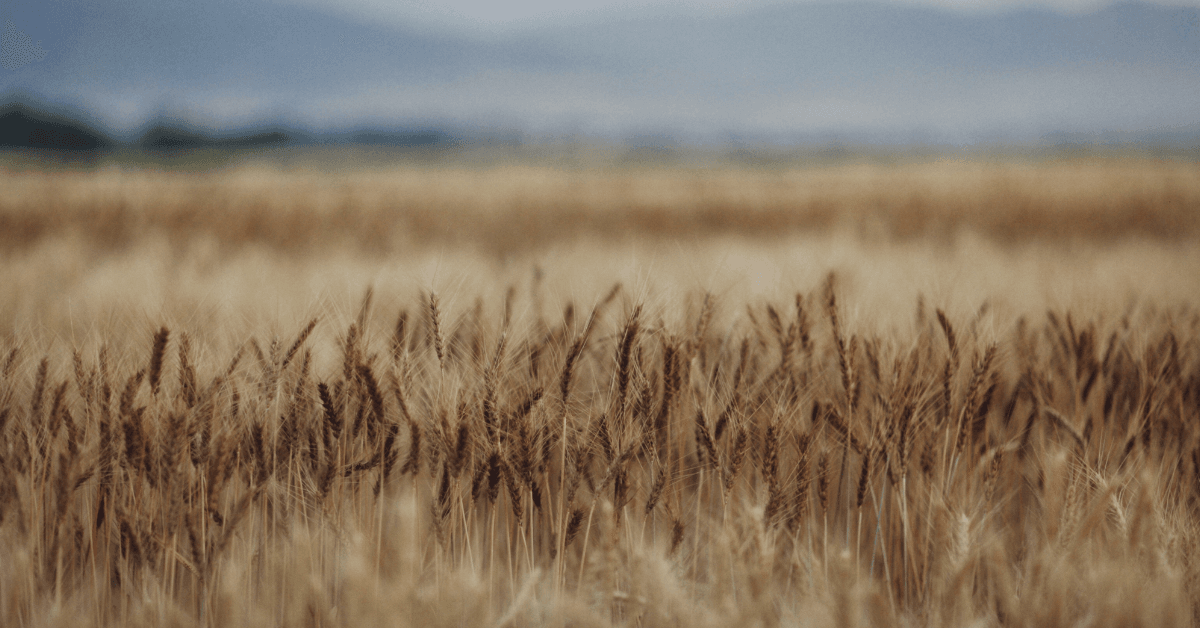
Malted barley is the cornerstone of Scotch whisky. It’s used exclusively in both single malt and blended malt whiskies, prized for its nutty, malty notes, enzymatic strength, and fermentable sugar yield. Under SWA regulations, single malt Scotch whisky must be bottled in Scotland and cannot be exported in bulk. To meet international demand for bulk malt whisky, producers created the blended malt category, which allows multiple single malts to be combined and exported in bulk.
Grain whiskies, on the other hand, are typically from wheat, which softens the profile with a gentle sweetness and a lighter mouthfeel. These are blended with malt whisky to produce blended Scotch whisky, the largest category of Scotch sold globally. A well-known example of a blended Scotch whisky is Johnnie Walker Blue Label, which combines grain and malt whiskies to achieve a smooth, layered profile.
Other grains like rye and corn are rare in Scotch but common in American and Canadian styles. Rye adds spice and dryness, while corn imparts a rich sweetness and is a staple in bourbon production.
Malting also plays a key role: as grains germinate and are dried (sometimes using peat smoke), enzymes form to covert starches into fermentable sugars. These sugars become the building blocks for alcohol and flavour. Peat drying introduces phenolic compounds, contributing smoky, medicinal, or earthy notes depending on intensity and regional style.
Water: The Quiet Catalyst

Water may not command the spotlight like cask type or peated malt, but it underpins every stage of Scotch whisky production.
Including mashing, fermentation, cooling, and dilution.
Its role is both foundational and functional, influencing flavour, texture, and even production continuity
In the mash tun, water extracts fermentable sugars from the grain. The source and mineral content of that water – whether soft water flowing over granite, hard water filtered through sandstone, or peaty water seeping through moorland, can subtly affect enzyme activity, fermentation efficiency, and mouthfeel. Most Scotch distilleries favour soft, low-mineral water for its neutrality and consistency, though some producers highlight the unique character of their local supply. Peaty springs, for instance, are said to impart faint smoky notes (although scientific evidence suggests this impact is minimal). Still, the story matters. Provenance and tradition remain central to Scotch whisky’s enduring appeal.
Distilleries are often built near reliable sources of a particular quality. Many even own their water source to guarantee purity and continuity. Water is one of Scotch whisky’s three natural raw materials, and its importance goes beyond flavour – it’s also about resilience. In recent years, droughts and shifting weather patterns have forced temporary shutdowns, underscoring how dependent whisky-making remains on nature’s rhythms.
In a spirit shaped by patience, place, and process, water is the quiet constant. Grounding the whisky to its origins and ensuring the craft can carry on.
Fermentation: Creating Complexity
During fermentation, yeast converts sugars into alcohol and produces a spectrum of flavour-active compounds, including esters, acids, and higher alcohol. These contribute everything from green apple (via ethyl acetate) to buttery notes (ethyl lactate) and creamy or waxy textures (long-chain esters like ethyl palmitate).
Variables such as yeast strain, fermentation length, and temperature shape the profile of the wash, and by extension, the whisky. Fruity, floral, and lactic notes often originate here, with some surviving distillation and evolving further during maturation.
Distillation: Refining the Spirit
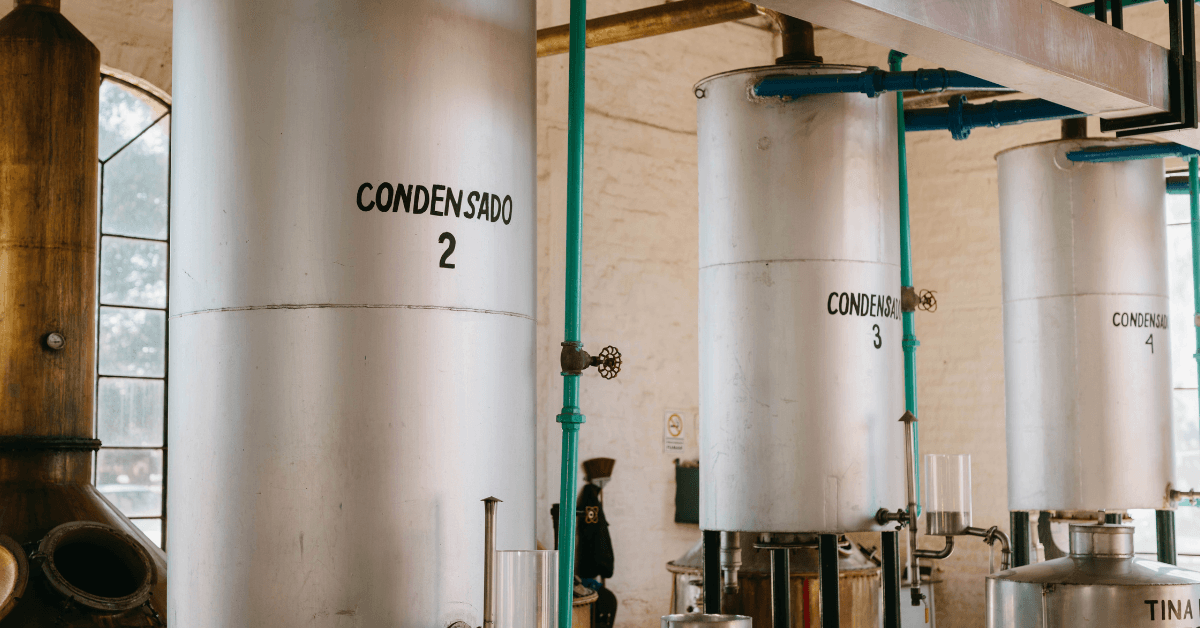
Distillation does more than concentrating alcohol; it’s a fine-tuned process of selection and refinement. Careful ‘cuts’ are made to exclude the harsh or harmful compounds found in the heads and tails of the distillation run, leaving only the heart of the spirit.
Still design has a dramatic impact here. Taller, narrow-necked stills tend to produce lighter, more elegant whiskies, while shorter, broader stills allow heavier compounds to pass through, resulting in richer, oilier spirits. The copper in the still also plays a catalytic role, reacting with sulphur compounds and smoothing out the character of the final distillate.
Finally, the type of still – pot vs. column, and the rate of distillation can dramatically alter the whisky’s character. Pot stills typically yield bold, characterful malts, while continuous stills used in grain whisky production result in lighter, more neutral profiles. Slower distillation allows for better separation of flavour compounds, giving producers more control over the whisky’s eventual complexity.
The Cask Matters
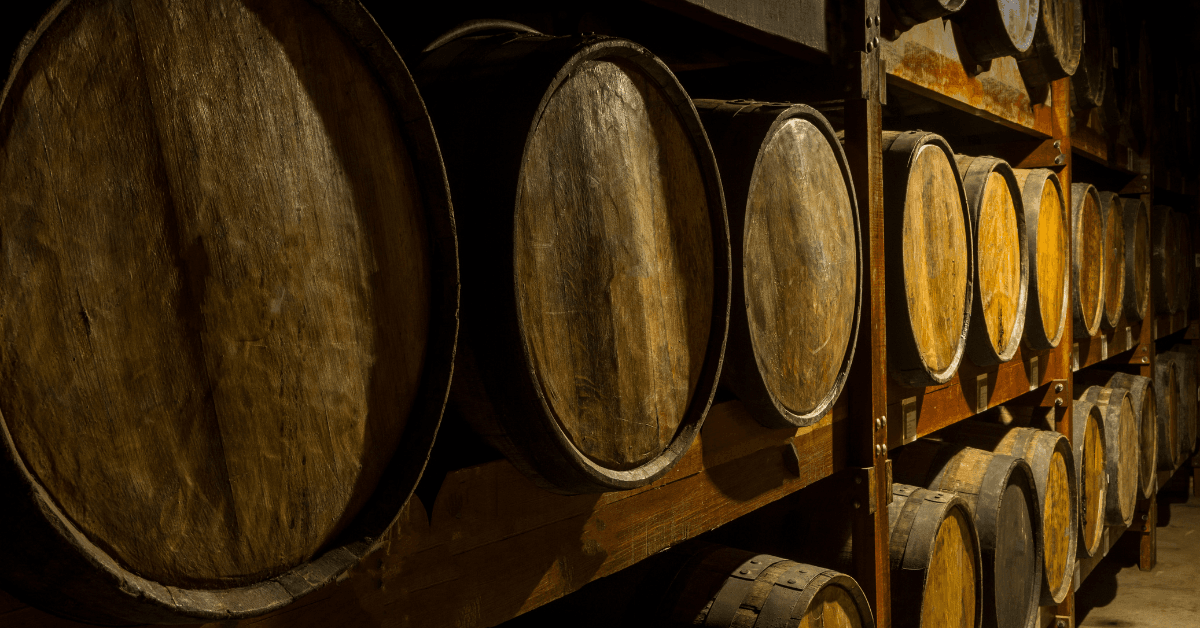
Far from being a passive container, the cask actively shapes the whisky’s flavour, texture and colour.
While exact figures vary, it’s widely accepted within the whisky industry that a significant majority, often estimated between 50% to 80% of a whisky’s final flavour and character is derived from cask maturation. Here’s what you need to know.
5 Cask Factors That Influence Scotch whisky
1. Wood Type
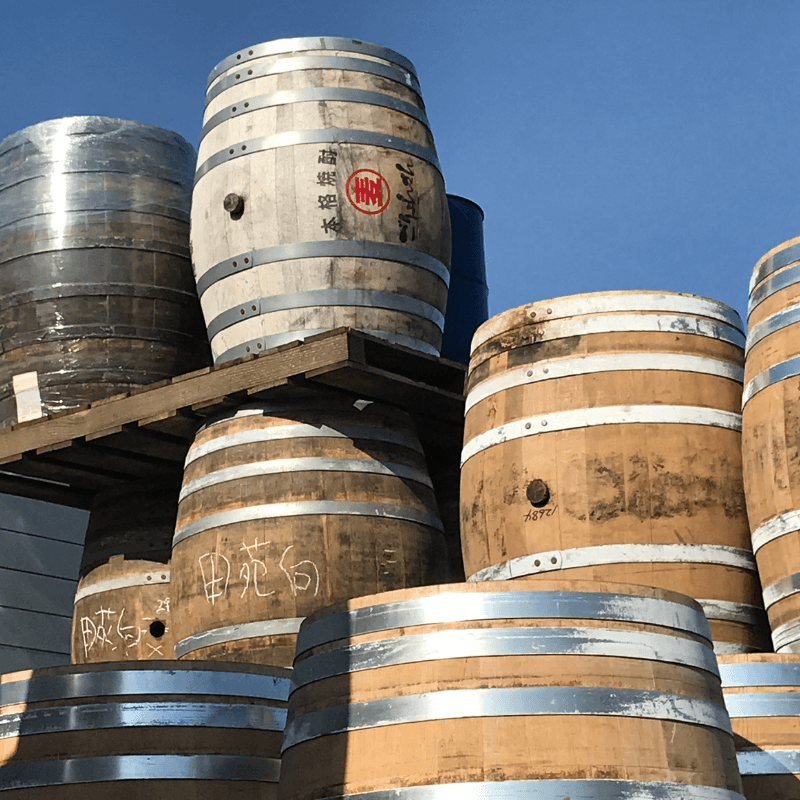
The type of oak used in whisky maturation plays a critical role in shaping flavour, texture, and aroma.
American white oak (Quercus alba) imparts sweet notes of vanilla, coconut, and caramel, thanks to its high levels of lactones and vanillin, European oak (Quercus robur), often sourced from Spain or France, contributes spice, tannin structure, and dried fruit complexity due to its tighter grain and higher tannin content.
Mizunara oak (Quercus mongolica), native to Japan, is prized for its rarity and its ability to deliver sandalwood, incense, and exotic spice notes through its porous nature and long seasoning requirements make it a challenging but rewarding choice.
Ethimex Cask Solutions also offers proprietary W-200-QH Andean Oak Casks (Quercus humboldtii), crafted from sustainably logged timber in Colombia. These 200L barrels sit somewhere between American and French oak in profile, yet carry a distinctive character all their own. Known for their gentle phenolic fingerprint and balanced delivery of vanillin and spice, Andean Oak casks have been used by many leading producers. Learn more here.
2. Thermal Treatment
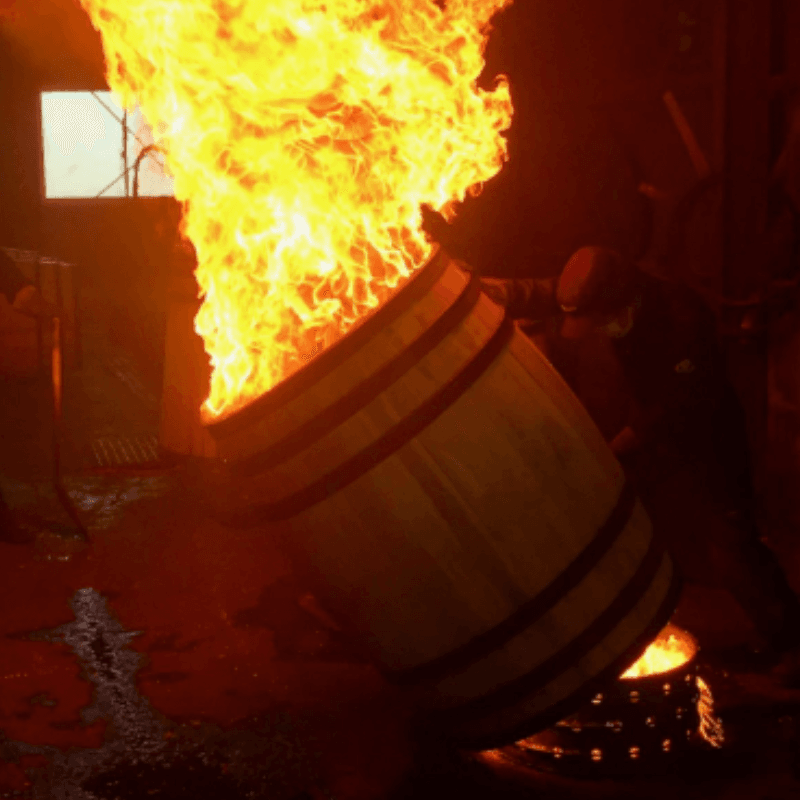
The thermal treatment of oak, either through toasting, charring, or both, is fundamental to how a cask influences Scotch whisky over time.
Toasting gently heats the oak, allowing wood sugars to caramelise and contributing notes of caramel, toffee, and spice. Charring, on the other hand, involves burning the interior of the barrel at high heat for a controlled period.
This process not only affects flavour, but also chemically transforms key oak compounds that shape the whisky’s character.
When oak is exposed to fire, hemicellulose breaks down into fermentable sugars that caramelise on the surface, imparting sweet, brown sugar flavours. Lignin transforms into compounds like vanillin and spicy phenols, while residual tannins mellow, creating a smoother interaction between wood and spirit during ageing.
Charring also introduces a layer of activated charcoal, which acts as a natural filter. This helps remove hasher compounds, such as sulphur elements, commonly found in young spirit. The deeper the char, the more pronounced this filtration effect. Char levels are typically classified from #1 to #4 ’alligator char’ being a common choice in the whisky and bourbon industries due to its deep fissures and textured surface that allow greater spirit penetration and wood interaction.
While Scotch whisky is often aged in ex-Bourbon barrels, which are legally required to be charred, producers may also work with virgin oak or custom-charred casks to create unique flavour profiles. Choosing the right thermal treatment is a crucial part of developing a distinctive and balanced final product.
3. Previous Fill
From Bourbon and Oloroso to Rum and Rioja, the liquid previously held in a cask has a profound influence on the flavour and character of the whisky that follows. These ‘previous fills’ impart distinctive notes, ranging from dried fruits and warming spices to tropical sweetness or rich nuttiness, depending on the what the cask once contained.
Each time a cask is used, its ability to influence the spirit diminishes. During maturation, whisky absorbs flavours from the wood, while the wood also absorbs some spirit in return. This exchange reduces the intensity of flavour and colour the cask can impart with each subsequent use. First-fill casks, those filled with Scotch whisky for the first time after holding another liquid, deliver the most pronounced impact. By the third use, casks are often sent to coopers for rejuvenation and re-charring, extending their usefulness and reactivating flavour potential.
The previous liquid in the cask has perhaps the greatest impact on flavour. Whisky makers carefully select casks based on what they previously held to build a complex and diverse flavour profile. Some of the most commonly used types include:
Bourbon Casks
America’s loss is Scotland’s gain. Due to US regulations, Bourbon must be aged in virgin oak casks, only once. After that, they are exported, making ex-Bourbon barrels the most widely used cask in Scotch maturation.
These casks tend to impart soft vanilla, honey, coconut, and light spice, with a smooth, sometimes creamy texture. The wood sugars from American oak also lend a lighter colour, straw to gold, and a more mellow maturation pace, perfect for highlighting subtle distillery character.
Port Casks
These fortified wine casks from Portugal are gaining ground in Scotch whisky, especially for finishes. Ruby Port casks deliver juicy red fruit (red cherry, plum, raspberry), black cherry and warm spice. While Tawny Port adds richer, more oxidative notes – dark plum, dried apricot, dark cherry, and hints of red fruit.
Original Port pipes (650-700L) offer depth and elegance, though they’re hard to source. Media botas (250L) can accelerate maturation while still retaining the essence of Port’s generous character.
Rum Casks
Rum casks are an exciting avenue for distillers seeking a tropical twist. Depending on whether the rum was light or dark, and aged or unaged, whisky aged in rum casks can absorb notes of banana, molasses, almond, tropical fruit, and syrupy sweets.
Dark rum casks in particular can contribute complexity, often alongside a velvety mouthfeel and subtle toffee or spice tones. Whereas say, Rhum Agricole will impart notes of sugarcane, cut grass, white orchard fruit and lightly tropical.
Learn about Ethimex’s range of rum casks here.
Others: Sherry, Wine, and More
Beyond these core types, Scotch distillers are embracing variety. Wine casks from Bordeaux and Burgundy to Sauternes and Marsala, bring an expansive palette, ranging from red fruit and plum to citrus, honey, and grassy acidity.
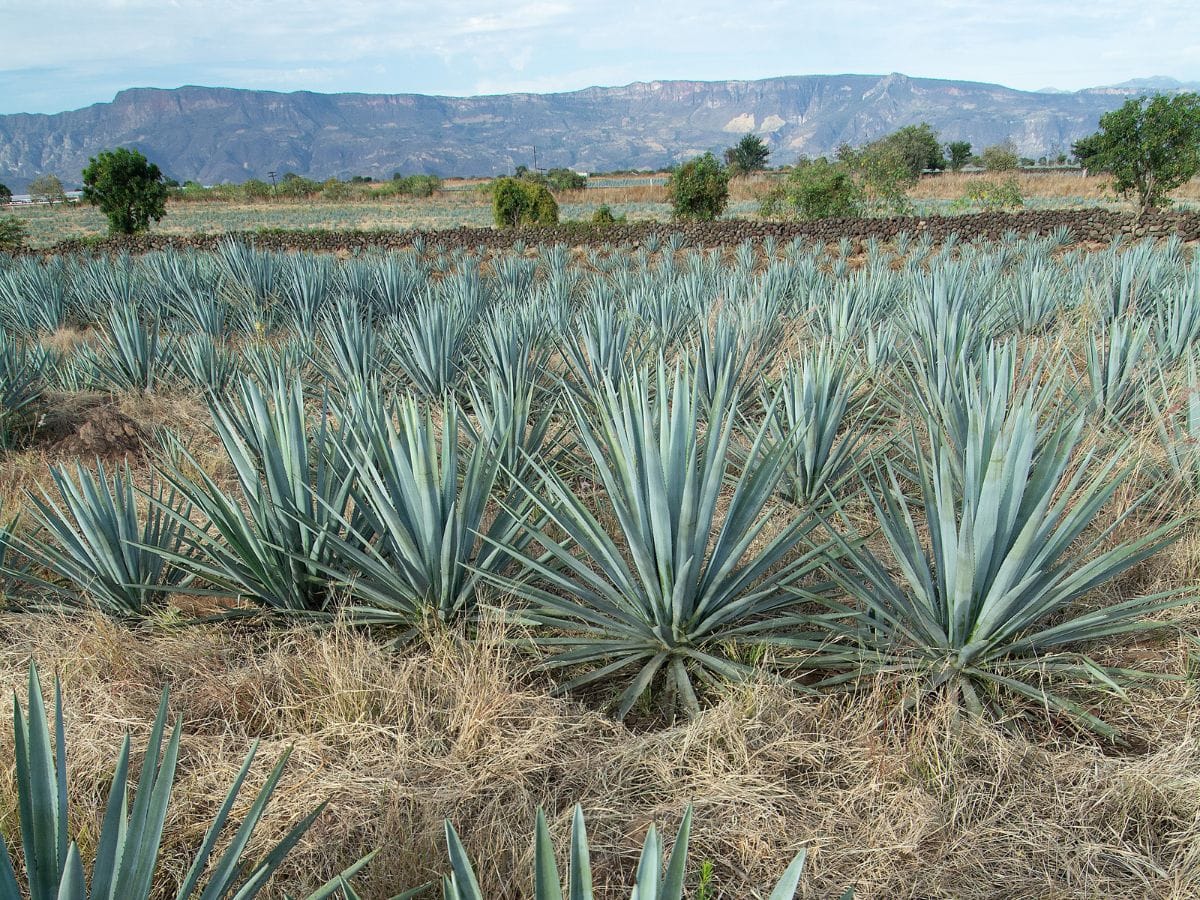
Other unique fills, such as Madeira, Vermouth, or Mezcal, are increasingly used for limited releases and experimental bottlings, showcasing the industry’s growing appetite for innovation.
Many producers also turn to cask finishing, briefly re-racking the whisky into a different cask type to layer in additional complexity and character.
As seasoned cask specialists, Ethimex Cask Solutions provides access to both the everyday essentials and the rarest finds. Whether you are aiming for consistency or complexity, we help match the right cask to your spirit style, maturation goals, and brand vision.
4. Time in Cask
Age matters, but balance is key. As the spirit rests, oxygen slowly interacts with the alcohol, softening its edges and encouraging chemical reactions such as esterification and oxidation. These reactions contribute to the layered aromas and flavours that define a well-matured whisky.
Evaporation, often referred to as the ‘angel’s share’ further concentrates flavour compounds, while long-term maturation allows the spirit to draw deeper characteristics from the cask, adding richness and structure.
But time alone doesn’t guarantee quality. While extended ageing can unlock remarkable depth and nuance, there’s a tipping point. Leaving a whisky too long in cask, and it risks being dominated by the wood. It can become overly tannic, overly oaky, and losing the delicate balance between spirit and cask. The art lies in knowing when the whisky has reached its peak maturity, not just it’s age.
5. The Distillers Touch
While science and time play their part, Scotch whisky is ultimately shaped by human judgement. The skill of the distiller is crucial, particularly in making the cut, where the heart of the spirit is separated from the heads and tails, a decision that significantly influences the character and the purity of the final whisky.
Blending is another area where technical mastery meets creative vision. It’s all about constructing balance, depth, and harmony. By carefully selecting and pairing single malt and grain whiskies from different cask types, ages, and flavour profiles, distillers can craft expressions that are greater than the sum of their parts. Blending allows producers to maintain consistency across batches, tailor spirits to specific markets, and push boundaries with innovative flavour combinations.
From cask to consistency
Whether you’re experimenting with bold finishes or building a flagship blend, the right cask is only part of the equation. Success in bulk Scotch whisky also depends on consistency, compliance, and a supply chain you can trust. That’s where Ethimex comes in.
Why global buyers choose Ethimex
Sourcing Scotch whisky at scale requires more than just access to barrels. Here’s how Ethimex supports your success:
Strategic Sourcing Power
Thanks to long-standing partnerships across the industry, we offer access to a broad selection of whiskies with consistent quality and flavour integrity.
Integrated Cask Solutions
Streamline your supply chain with curated new and used casks, reducing logistics and boosting flavour flexibility.
Cost-Efficient Global Logistics
With strategically located warehouses, including our UK hub, we consolidate and optimise shipments for faster, more affordable international delivery.
Regulatory & Compliance Support
We help you navigate import-export laws, labelling regulations, and Scotch Whisky Association guidelines, so you stay compliant wherever you sell.
Tailored, Trusted Partnership
Whether you’re a flavour house, brand innovator or multinational, we provide personalised service and ongoing support, because long-term success is built on great relationships.
Whether you’re launching a new spirit range or building consistency into an existing one, bulk Scotch whisky from Ethimex gives you the foundation to grow. Explore our Bulk Scotch Whisky portfolio here.