
Bulk Tequila Buyers: Tequila in a Changing Market
While much of the spirits world has faced headwinds in recent years, tequila has relatively defied expectations, maintaining resilience even as broader category trends softened.
Evolving from a traditional Mexican staple into a global powerhouse. Once seen as a party drink, served with lime and salt, tequila has undergone a remarkable transformation. Today, it’s the spirit of the moment for discerning consumers, mixologists, and global buyers alike, celebrated for its craftsmanship, cultural heritage, and premium appeal.
But with rapid growth comes complexity. For bulk tequila buyers and brand developers, rising demand, shifting regulations, and increased scrutiny around additives and certification are reshaping the landscape. In this article, we’ll break down what global buyers need to know and why partnering with Ethimex can position your brand for success in an increasingly competitive and regulated market
Tequila Terroir & Regional Identity
 While terroir is not a significant factor in sourcing mixto tequila, which is produced from a fermentation base of Blue Weber Agave with other sugars (typically sucrose, fructose etc). Understanding regional distinctions remains valuable for buyers looking to deepen their category knowledge or explore future opportunities with 100% agave formats.
The most recognised provenance distinction in tequila is between Los Altos (highlands) and El Valle (lowlands) of Jalisco.
Los Altos with its iron rich soil and cooler climate, tends to produce sweeter, fruitier tequilas. El Valle, known for its dark volcanic soil and milder temperatures, often yields more herbaceous, and spicy profiles. These broad flavour differences are increasingly used in brand storytelling and consumer education.
While you cannot buy 100% agave tequila in bulk, we stay closely connected to what’s going on in Mexico to support our customers with insights, context, and strategic guidance. Whether you’re sourcing mixto or exploring future product development, our team is here to help you navigate the tequila category with confidence.
Bulk Tequila: What Buyers Need to Know
How Is Tequila Made?
Tequila’s journey begins in the sun-drenched fields of Mexico, where the Blue Weber agave is transformed into one of the world’s most iconic spirits. The production process is a blend of tradition, craftmanship, and chemistry, each step shaping the final flavour and quality.
Harvesting
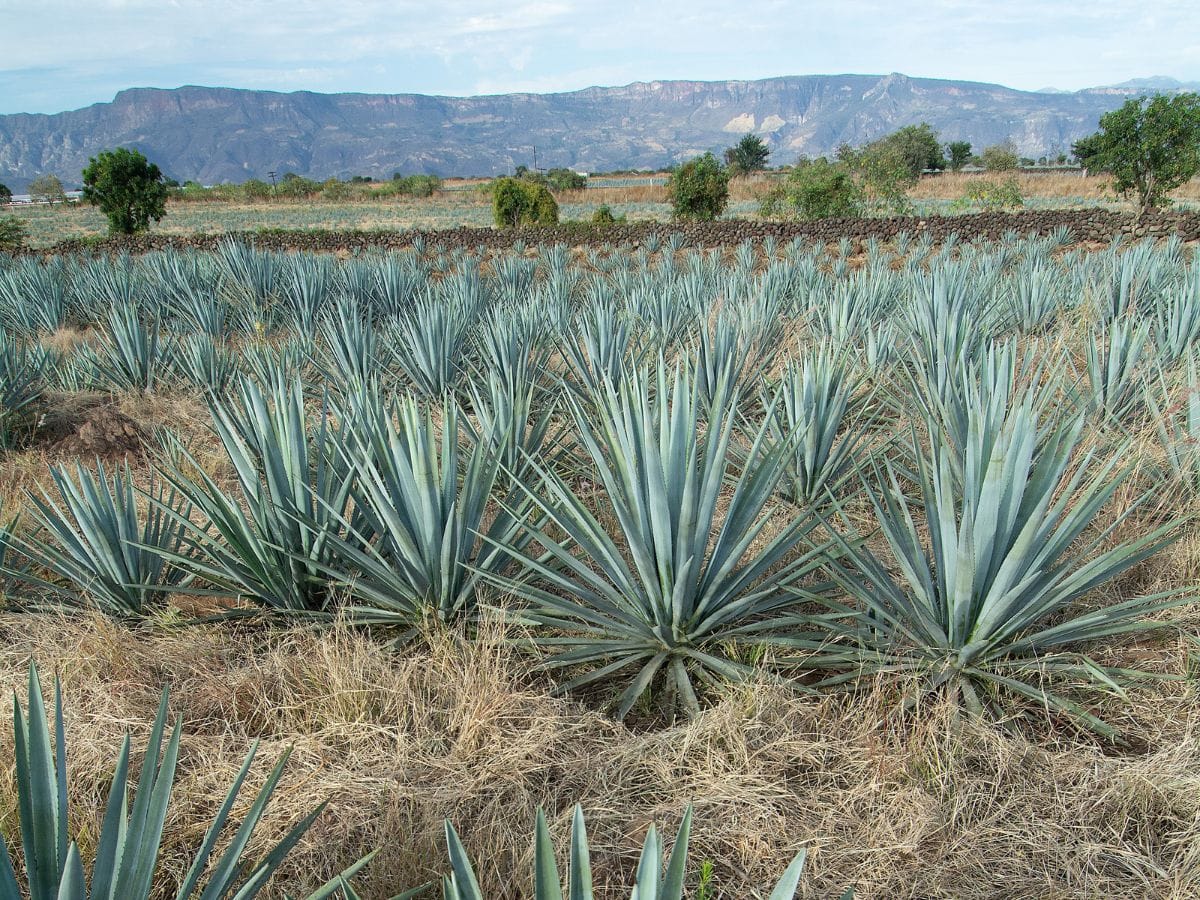
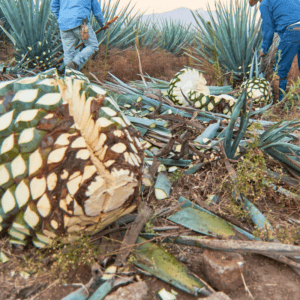 Tequila is made from Agave tequilana Weber, also known as Blue Agave, which can take between eight to twelve years to reach full maturity, although is more frequently harvested at between five and eight years by larger producers, especially in the warmer growing regions.
Skilled jimadores (agave harvesters) use a specialised blade called a coa to cut away the agave’s spiky leaves, revealing the heart of the plant – the piña, which resembles a giant white pineapple.
This piña is rich in inulin (a complex sugar) and is the starting point of all tequila production. A mature agave piña weighs between 50 and 100 kilograms.
Cooking
The piñas are typically split in half and cooked to convert their complex carbohydrates into fermentable sugars, a process which is also just as crucial for flavour development.
There are two common methods of cooking agave piñas. The traditional process involves baking the piñas in brick ovens for at least 24 hours but typically much longer. This process helps to develop the classic, complex flavours found in more traditional tequilas. Large-scale distilleries tend to use diffusers and autoclaves in a more industrialised process which involves effectively crushing the piñas and washing out the inulin, with the resulting liquid then boiled under high pressure to break the complex sugars down, resulting in fermentable substate. A hybrid set-up is also very widely found whereby piñas are cooked whole (or split) but in a pressurised autoclave oven rather than a traditional brick oven.
Crushing
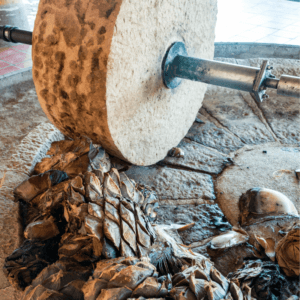 In the traditional and hybrid processes using brick ovens, the baked piñas are crushed to extract the sweet agave juice, known as mosto.
Artisanal distillers still use the ancient tahona method involving a massive rotating mill stone, historically turned by a mule or horse but these days powered by electricity.
Larger, more industrialised distilleries opt for mechanical shredders and series of roller mills along with a rinsing process for maximum extraction.
Fermentation
The resulting sugary liquid, known in Mexico as aguamiel, is mixed with water to achieve a predetermined Brix (typically 8-11° Bx) and then yeast where it begins its transformation into an alcoholic wash known as mosto. This stage can take several days, typically 48 to 72 hours amongst more industrial producers, and is carried out either in stainless steel fermentation tanks or in wooden vats, each approach influencing the final flavour profile in its own way. For tequilas which are not 100% agave, it is at the aguamiel stage, prior to the addition of yeast, that additional fermentable sugars are dissolved into the feedstock.
Distillation
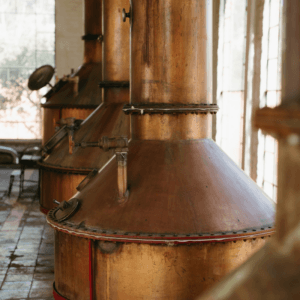 Two methods of distillation are employed across the industry: pot-still distillation and column-still distillation. In the former, after fermentation, the low-alcohol mosto (ranging from 3-8% abv, with more industrialised distilleries tending towards the lower end due to early-cropped agave), undergoes a first distillation to separate alcohol and volatile congeners from the fermented wash, concentrating them into “ordinario” or “primero” (an intermediate distillate of between 20-28% abv) for further rectification, where tequila begins to take shape as a refined spirit. Rectification (refining) will take place is a second pot-still to remove harmful congeners such a methanol and other unwanted impurities which would negatively affect flavour. The result is the “segundo” (roughly 50-60% abv) or, put simply, high-proof tequila blanco!
Distillation in modern column stills is a continuous one-step process, and is typically used by mass-production distilleries for efficiency in terms of yield and speed.
Each distillation method influences the final flavour profile. Pot– stills tend to preserve more of the agave’s natural character, while column stills offer efficiency and consistency. Some distilleries use hybrid combination stills to strike a balance between the two approaches. Furthermore, many larger-scale distilleries have both pot-stills and column apparatus, allowing them to blend the resulting distillates into a wide range of well-balanced tequila expressions.
Whether destined for bottling (in which case it must be reduced to a maximum of 55% abv, even if shipped out in bulk) or ageing, this stage is critical to ensuring purity, compliance, and flavour integrity.
Ageing
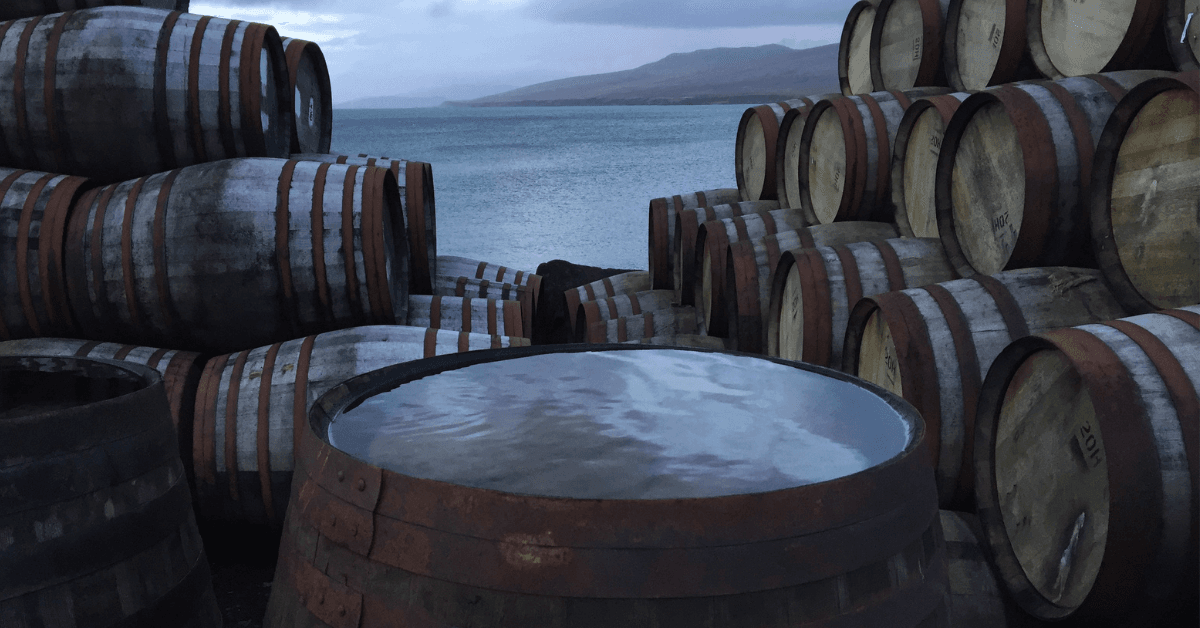
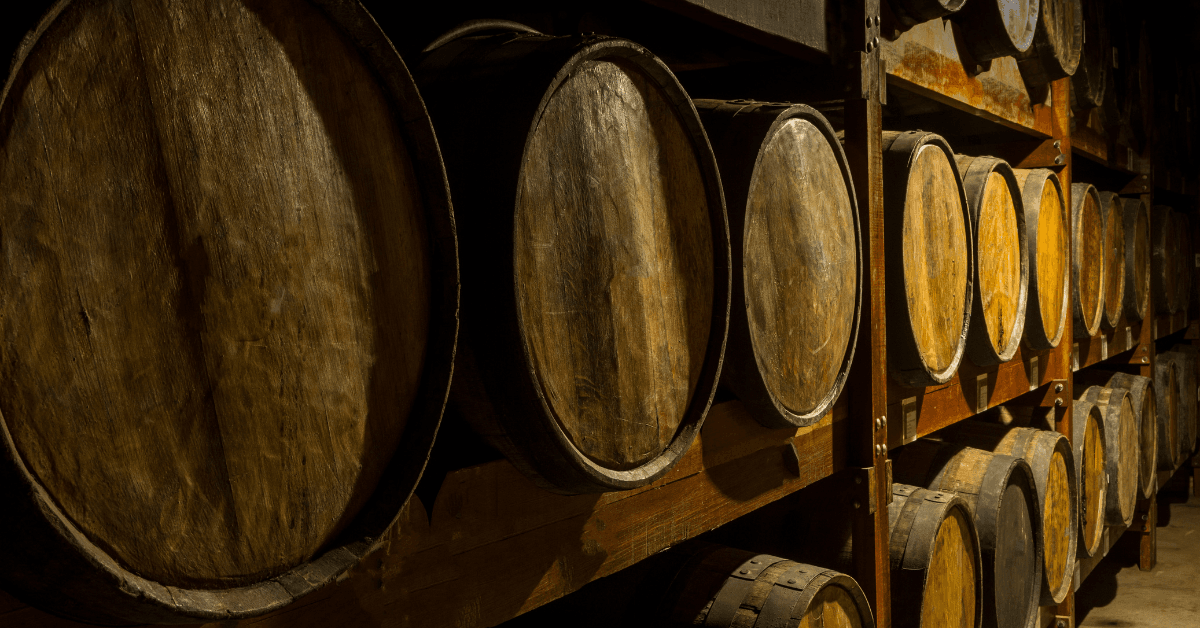
Depending on the style, tequila may be aged in oak barrels (although wooden vats are also permitted for Reposado) to take on and develop a deeper, more complex flavour profile. Blanco (otherwise known as silver or plata) tequila is typically unaged or rested briefly, while reposado, añejo, and extra añejo spend months to years maturing in oak, gaining complexity and colour. Tequila is commonly aged in ex-Bourbon barrels but any type of oak cask, new or used, is allowed.
Legal Classifications
Understanding tequila’s legal classifications is essential for anyone sourcing at scale. These definitions don’t just affect labelling, they determine what can be exported, how it must be handled, and whether it qualifies as tequila under Mexican law. There are two main classifications:
100% Agave Tequila:
- Made solely from the Blue Weber Agave, bottled in Mexico, and certified by the CRT.
- You cannot source 100% Agave Tequila in bulk. If you’re being offered bulk ‘100% agave tequila’ from a supplier, it is either illegally exported, illegally mislabelled generic agave spirit, or not what it claims to be.
Tequila
- Known in the trade (but not on the label) as tequila “Mixto”
- Is produced from a fermentation base of at least 51% agave sugars, with up to 49% fermentable sugars from other sources , typically cane sugar. Mixto, unlike 100% Agave Tequila, can be sold in bulk and bottled outside Mexico.
- Contrary to common misunderstanding, Mixto is never a blend of tequila 100% agave with neutral sugarcane spirit. That is never permitted. Only the blending of the raw ingredients is permitted, pre-fermentation (eg. agave juice with cane sugar).
- Only Mixto Tequila is permitted to be exported in bulk.
- A label bearing the simple term Tequila (omitting the “100% Agave) is always so-called Mixto Tequila.
Only tequila produced in designated regions of Mexico and certified under Official Mexico Standard of Tequila or Norma Oficial Mexicana (NOM) can legally bear the name tequila.
Watch-Outs for Bulk Buyers
Sourcing tequila comes with unique challenges that go beyond flavour and price. Here are some things to watch out for.
-
Beware of the term ‘100% Agave Spirt’
At first glance, this phrase might sound reassuring, but it can be misleading. ‘100% Agave Spirit’ is not the same as ‘100% Agave Tequila’. In fact, it’s not legally tequila at all.
The term ‘agave spirit’ (or destilado de agave in Spanish) is a broad, non-standardised catch-all category. It can refer to:
- A product that is technically identical to tequila (either 100% agave or mixto) but lacks the official certification to use the name ‘tequila’ on the label. Only accurate and, non-restricted terms may be used such as “agave spirit” or “aguardiente de agave”.
- Or, a blend where tequila (or rather, what would have become tequila) has been diluted heavily with neutral alcohol, resulting in a weaker agave profile and a vastly inferior product.
In some cases, producers or wholesalers use the term ‘100% Agave Spirit’ to imply some kind of equivalence to 100% Agave Tequila, but what this often means, misleadingly, is that the product is purely “agave spirit” (which, as explained above, can legally contain added neutral alcohol!). Beware!
While these products aren’t necessarily illegal, they’re underhand at best, and deceptive if the true composition isn’t disclosed. Bulk buyers should be cautious to ensure they end up with a product that aligns with what they are expecting. Consult Ethimex if you are still in any doubt: we can usually ascertain authenticity from chemical analysis results supplied by the producer, and will always act in strictest confidence.
2. Import volumes and freight costs
Importing tequila in bulk can be cost-effective, but only at scale. Smaller volumes (typically under 20,000 litres) often face disproportionately high freight costs, which can erode margins. Buyers should carefully assess volume thresholds to optimise shipping efficiency and overall cost.
3. CRT Certification and timelines
All tequila must meet the standards set by the CRT, including certification of production, bottling, and labelling. Even if bottling occurs outside Mexico, the facility must be CRT-approved. This process can take time, especially for new buyers, so it’s wise to factor in extra lead time when planning shipments.
And yes, every one of these has tripped someone up, often at great cost. So, consider this a heads up, and if you need any guidance, contact an expert like Ethimex.
Please get in touch for our simple guide to the complex bureaucratic process of setting up your own tequila brand!
Crystal balling the future of tequila
As global demand for tequila continues to surge, producers and brands are looking ahead to what’s next. At Ethimex, we keep a close eye on emerging trends and market signals to help our partners stay ahead of the curve. Here’s what we are predicting to see shaping the future of tequila, and where the opportunities may lie.
Cask innovation
Cask innovation is gaining momentum, with producers experimenting beyond traditional ex-bourbon barrels. For aged tequilas, producers are experimenting with different oak species, in the form of virgin oak casks, such as Japanese Mizunara and Andean Oak (both available from Ethimex Cask Solutions, the latter exclusively)
In the 100% agave space we are seeing some distilleries bottling some innovative cask-finished tequilas. Aside from the usual Bourbon and wine barrels, sherry, madeira, rum and ruby port casks have been Ethimex’s principal used cask exports to Jalisco recently, reflecting a tendency to follow in the steps of whisky-makers and expand the tequila flavour repertoire.
While not relevant to mixto, this signals where consumer interest is heading, and where future opportunities in tequila may lie.
Sustainability
Across many industries we are seeing a focus on sustainability driven by environmental urgency and consumer demand, and this is no different in the tequila category.
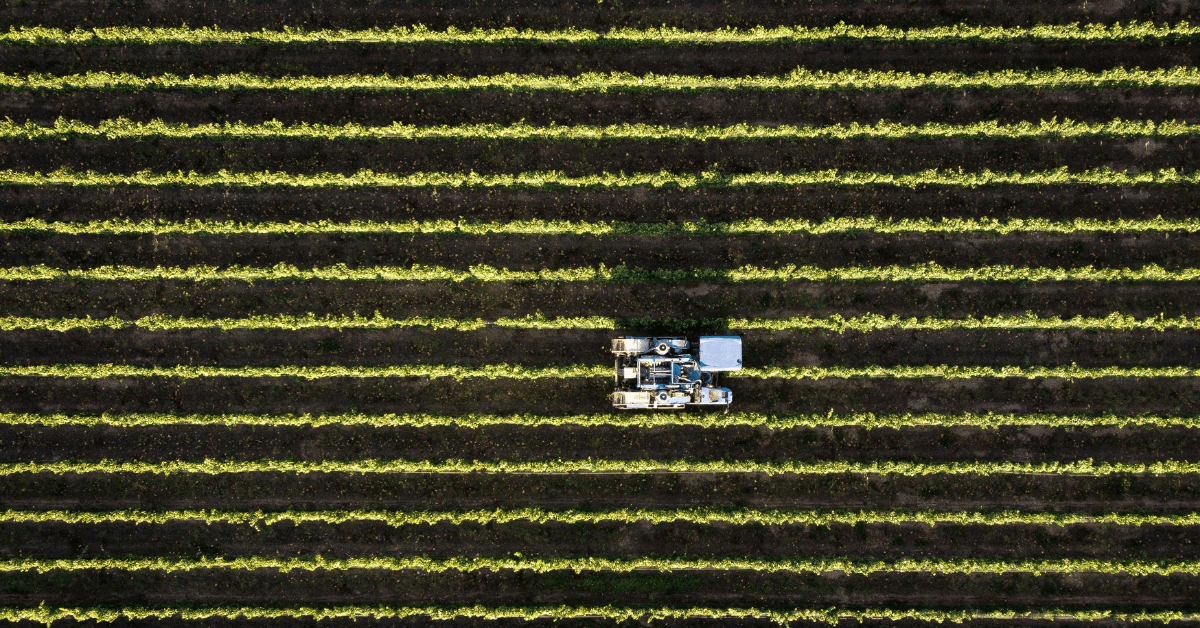
In the agave fields, we are seeing regenerative farming practices, soil health, biodiversity and carbon capture. Producers are rethinking monoculture, introducing crop rotation and cover crops to support long-term ecosystem resilience. Water conservation is another critical focus, as in tequila production, 15 liters of water are required for just one liter of tequila. Distilleries are investing in closed-loop systems and rainwater harvesting to reduce their footprint, especially vital in drought-prone regions like Jalisco.
Packaging innovation is also accelerating. Lightweight glass, recycled materials, and biodegradable closures are becoming more standard, while other brands are exploring refillable formats.
The Rise of Agave Spirits
While only spirits made from Blue Weber agave in designated regions (compliant with the CRT legislation) can be called tequila, it would be wrong not to mention the interest in other agave-based spirits like raicilla, sotol and of course, mezcal.
At Ethimex, we’ve seen a notable uptick in demand for agave spirits across our global markets. Mezcal, in particular, is gaining pride of place on cocktail lists in trendsetting bars, where its often-smoky complexity and artisanal roots offer something fresh and intriguing for patrons. Traditionally sipped neat, it also pairs beautifully with citrus and herbal elements, making it a versatile base for modern mixology and a compelling choice for brands looking to stand out.
Whether you’re focused on mixto or wanting to get into the wonderful world of agave spirits, we’re here to support you.
Why Partner with Ethimex for Bulk Tequila
At Ethimex, we supply bulk tequila – and help position your brand for success in an increasingly competitive and regulated market. Whether you’re launching an RTD range, developing a new tequila brand, or securing long-term supply, we offer more than just liquid. We offer peace of mind.
What we offer:
CRT-Supervised Production
- All tequila is produced under the strict oversight of the CRT, meeting official standards for process, ageing, and bottling.
Convenio Support
- We guide buyers through CRT-endorsed Quality Certification and formal Convenio agreements with our Mexican partners, ensuring full compliance and a smooth experience.
Bulk Mixto Tequila
- Ideal for a wide range of applications like bottling, blending, and RTDs.
Bulk Agave Spirits
- Including non-CRT agave distillates for brands seeking flexibility or innovation outside the tequila category.
Cask options
- For brands exploring aged expressions, we offer tailored cask solutions including ex-bourbon, wine, and Mizunara oak.
Why Ethimex?
We offer more than just access to bulk tequila, we provide strategic sourcing support built on deep industry knowledge and trusted relationships. Our long-standing partnerships with CRT certified producers and distilleries across Mexico give our clients access to reliable, high-quality supply.
Our team includes industry experts who speak Spanish and understand the nuances of local production and regulation. This cultural and linguistic fluency helps us bridge the gap between international buyers and Mexican producers, ensuring smooth experiences.
On the logistics side, Ethimex’s in-house team manages global freight and customs with precision. Delivering bulk tequila efficiently, transparently, and on time.
Final Words on Sourcing Bulk Tequila in 2026
Tequila’s future is being shaped by evolving consumer expectations, regulatory shifts, and rising global demand. For bulk buyers, success lies in understanding the landscape, not just the liquid.
Whether your brand is built on purity, consistency, or innovation, sourcing decisions must be informed, compliant, and aligned with long-term goals.
Get in touch with our team to explore Ethimex’s offering and discover how we can support your brand’s growth.
Written with technical contributions from:
Richard Bayles MIEx(grad), Experto Maestro Catador de Tequila (Academia Mexicana de Catadores de Tequila)
Head of Sourcing & Commercial for Latin America & the Caribbean at Ethimex Ltd