
Footprints in the sand

How Distilleries Can Reduce Their Environmental Footprint

Francesca Younger

Date: June 26, 2019
Read time: 2 mins
In this article
Talk to us today
Please contact us and we will be happy to assist you.
Contact Us

Ethimex offers distilleries a way to reduce their environmental footprint.

It is a topic that is relevant for all distillers, whether fermenting from grain, molasses or potatoes or distilling from neutral alcohol. Everyone familiar with the distilling process knows that the heads and tails (also known as foreshots and feints) are separated from the heart during distillation.

But what happens to those heads and tails?

Tails and sometimes heads can be reintroduced into the next distillation to recycle any residual ethanol. Some distillers find this improves the flavour of the end product, mainly if the tails are recycled. But not everyone goes for this option. Some argue it affects the purity of the heart and eventually the final product.

Distilleries run from a farm often use part the effluents as fertilizer but not everyone has this option and sustainability and the environmental footprint might become a secondary concern. For many distillers, it is not always clear-cut what to do for the best. In the end, skilled distillers are not necessarily recycling experts. What doesn’t help is that heads and tails are quite a mixed bag.  The heads that appear at the beginning of the distillation contain volatile compounds with low boiling points such as acetaldehyde, acetone, esters and the highly undesirable methanol. The tails left at the end of the process typically contain propanol, butanol, amyl – collectively known as fusel oils – and acetic acid.

Being a supplier to the distilling industry for many years, Ethimex noticed that the heads and tails are frequently treated as a waste stream, often with a cost attached to it. By teaming up with industrial alcohol recycling plants, Ethimex found a way to give the heads and tails a new life in the shape of recycled low-grade industrial alcohol. Heads and tails can be redistilled and processed into everyday products like culinary burning alcohol, fire-lighters, cleaning liquids and windscreen wash to name a few. To make things easy Ethimex has set up a simple operation where heads and tails are collected from the distiller and directly transported to the alcohol recycling plant. All logistics including conformity with excise regulations are taken care of by Ethimex’ logistics team.

Thanks to this operation, heads and tails can be turned from a waste stream into a revenue stream. The icing on the cake is that many distilleries can reduce their environmental footprint at zero cost.

 For more information visit Industrial Applications and Waste Ethanol. Contact us today.

This post was originally published on LinkedIn by Ethimex’s UK Market Development Manager.
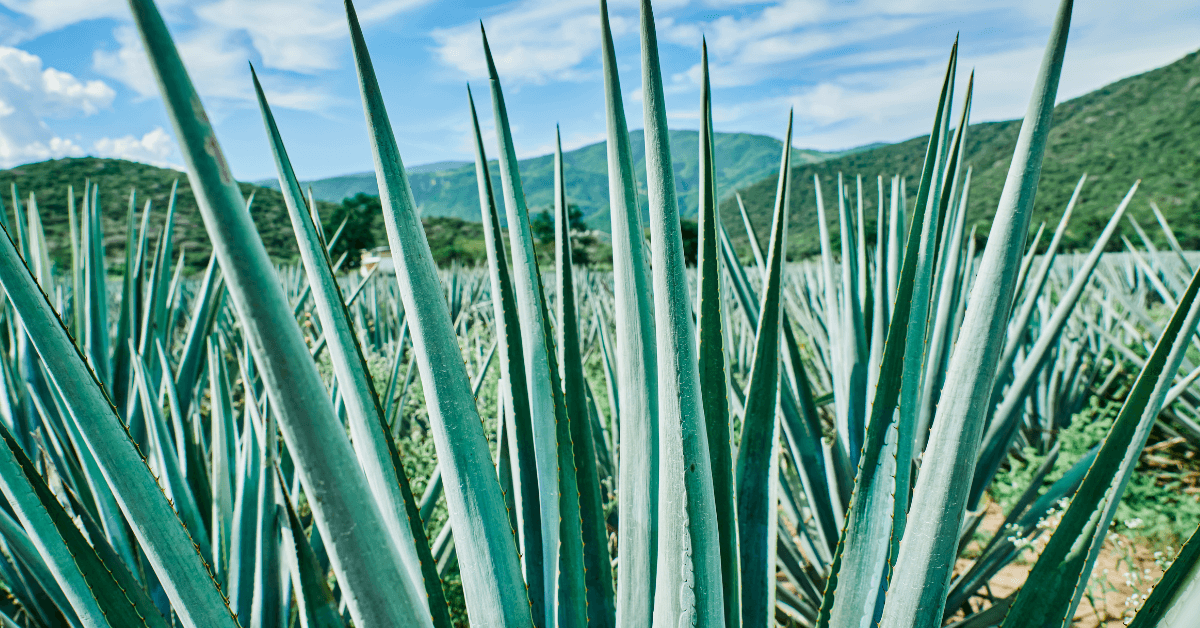
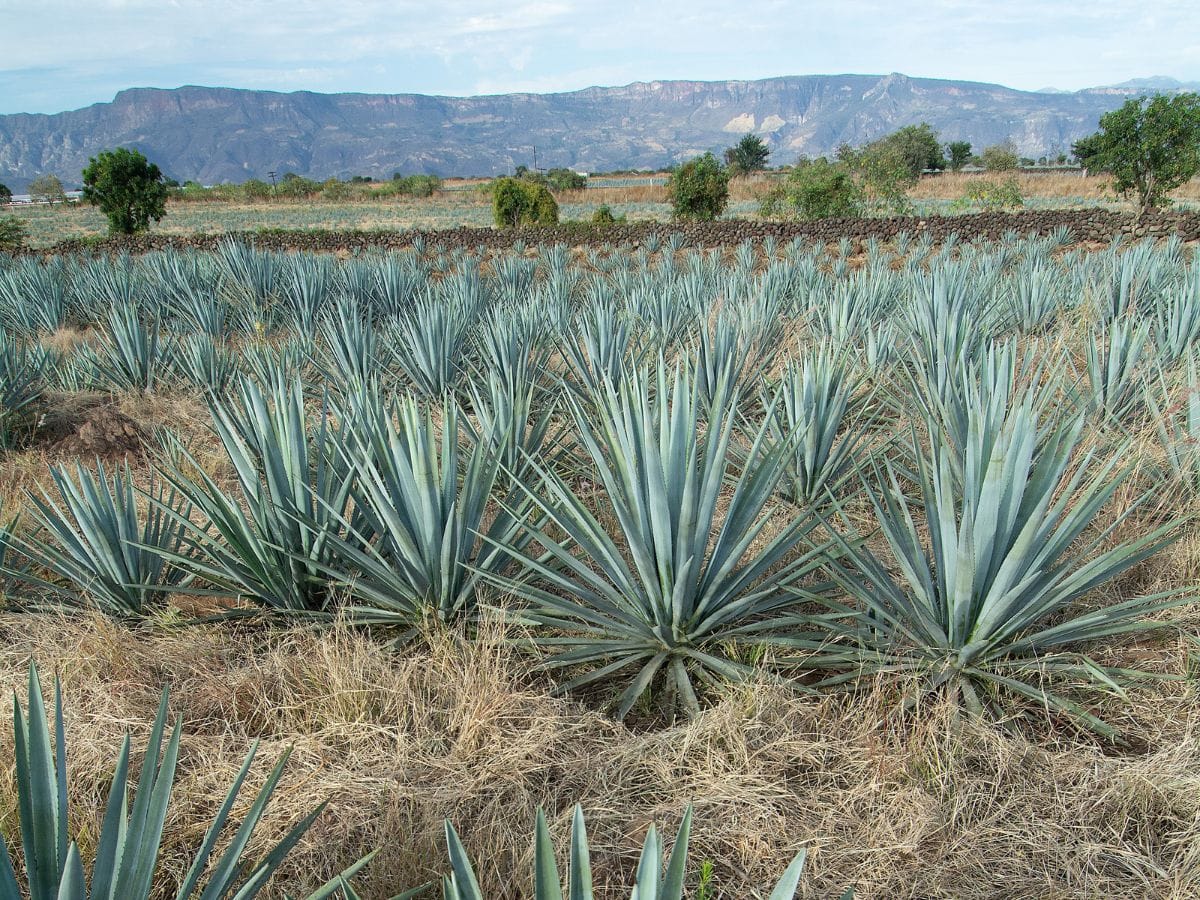
    Agave tequilana Weber growing in Mexico

    Sourcing Bulk Tequila in 2026: Market Shifts, Regulatory Risks &

    Bulk Tequila Buyers: Tequila in a Changing Market  While much of the spirits world has faced headwinds in recent years, tequila has relatively defied expectations, maintaining resilience even as broader category trends softened.   Evolving from...

    Read More
    Bulk Scotch whisky ageing in casks

    Bulk Scotch Whisky: What Global Buyers Need to Know

    Scotch whisky remains one of the most resilient and respected spirits in the global marketplace.  Despite economic headwinds and shifting consumer behaviours, demand for Scotch, particularly in bulk, continues to hold strong. For both established...

    Read More
    Rum ageing in casks

    How Climate Affects Rum Ageing: The Art and Science of

    From the high-ester funk of Jamaican rum, to the deep, mellow notes of long-aged European expressions, one thing is certain: ageing plays a pivotal role in shaping a rum’s flavour and identity. But behind every...

    Read More
    Wheat growing in a field to be used for grain spirit

    Potato vs Grain Spirit – What’s The Difference?

    When it comes to crafting exceptional spirits, the choice of base alcohol matters. At Ethimex, we’ve been trusted for over 25 years to deliver world-class spirits and we know that understanding your raw materials, from...

    Read More
    Base Spirit in distillery

    5 Reasons Top Brands Source Base Spirits from Strategic Supply

    In today’s volatile landscape, spirit brands face more than logistical hurdles. From navigating tariffs and compliance to accelerating time-to-market, sourcing decisions have become strategic moves.  This is especially true in base spirits. Whether launching a...

    Read More
    Organic alcohol producer

    Certified Organic Alcohol & Spirits: What It Means and Why

    In today’s increasingly conscious marketplace, certified organic alcohol is more than just a trend, it’s a strategic choice for brands looking to align with growing consumer demand for sustainability, transparency and quality.   But what exactly...

    Read More
    Farm of Blue Webber Agave for tequila

    The Challenges of Sourcing Bulk Tequila

    Tequila has seen remarkable growth, built on great US demand. It has transitioned from a traditional Mexican spirit to a growing global phenomenon. From cocktails like the much-loved Margarita and The Paloma to neat consumption...

    Read More
    Glass of whisky

    A Look at Emerging Whisky Regions: Could We See a

    For generations, there were essentially two choices when it came to whisky. For many years, the only real competition to Scotch whisky was its Celtic cousin, Irish whiskey. Then, Irish whiskey took a dive in...

    Read More
    Bulk rum being cask finished

    Exploring the Use of Innovative Cask Finishes for Rum

    In the whisky industry, creating a quality product is all about the details. Colour, nose, flavour, structure and certain other nuances of the finished product are attributable in very large part to the cask. The...

    Read More