
When it comes to blended rums, both Latin American and Anglo-Caribbean styles offer unique characteristics that can contribute to the final flavour profile if you’re willing to cross stylistic boundaries and create a multi-region blend. Getting your head around some of the technical aspects of these styles is crucial when making informed decisions during the blending process. Let’s delve into the details of each style and explore their merits.
Latin Rum
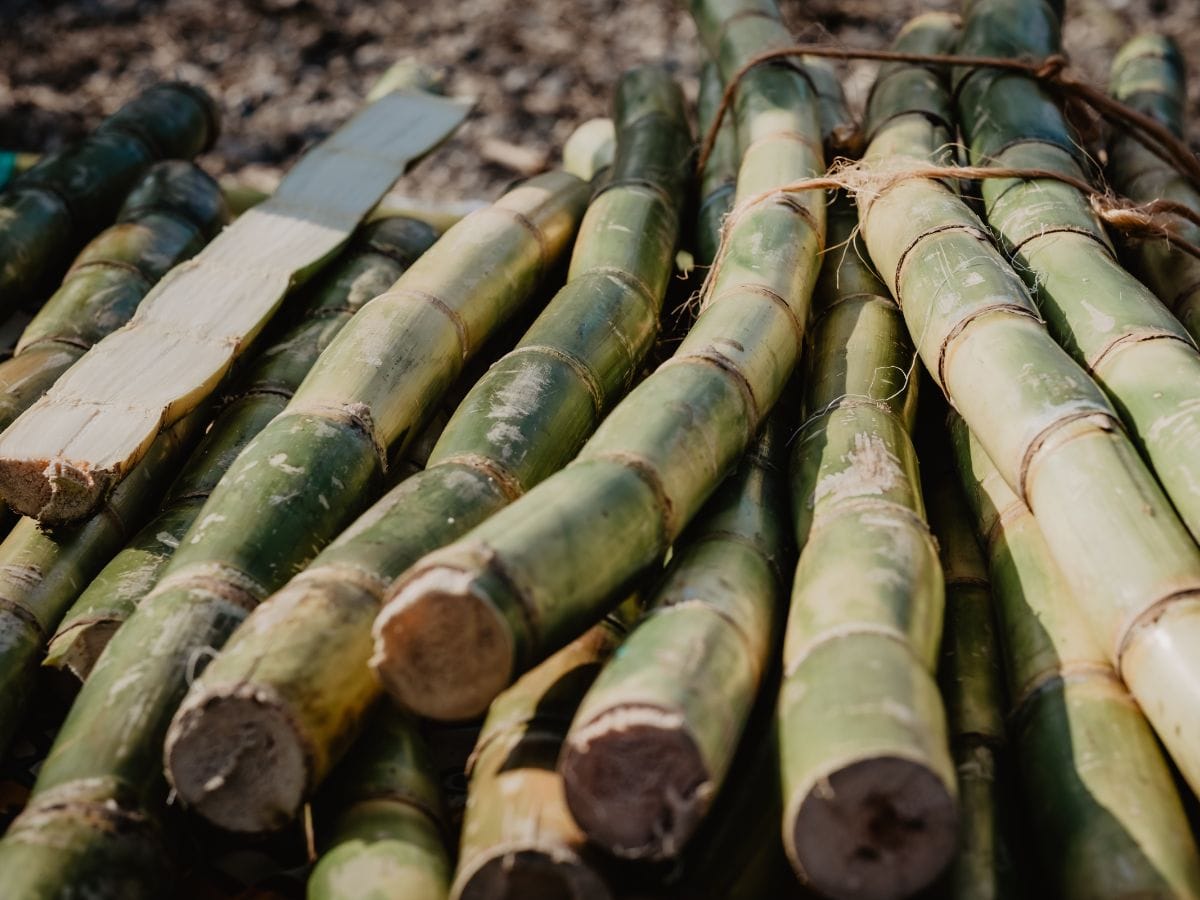
Latin rum, sometimes referred to as Spanish-style rum, is generally characterised by its smoothness, richness, and elegance. Key producers amongst many are Cuba, Panama, Venezuela and Puerto Rico. These rums are primarily made from molasses (notable exceptions include Guatemala and the Dominican Republic), subject to rapid fermentation, and generally distilled in continuous column stills (often industrial multi-column arrays), which allow for a high level of control over the spirit’s flavour. Once matured in oak, the resultant rums are typically clean, light-bodied and elegant, with subtle notes of vanilla, caramel, and tropical fruits. Although Trinidad is considered an Anglo-Caribbean rum in the geographical sense, an emphasis on multi-column distillation and resultant lighter styles of rum tend to put Trini rums firmly in the Latin camp as far as style is concerned.
Anglo-Caribbean Rum
Anglo-Caribbean rum, on the other hand (sometimes referred to as English-style rum) encompasses a broader range of styles due to the diversity of traditions and production methods across the region. The main rum-producing nations in this category include Jamaica, Barbados and Guyana (not geographically in the Caribbean but culturally and politically a West Indian country). One feature of Anglo-Caribbean rum that sets it apart from Latin American rum is the wider use of different types of stills, namely pot stills alongside traditional column stills. Pot stills produce robust, full-bodied rums with intense fruity and ester-driven notes, and higher levels of fusel oil (higher alcohols) while column stills yield lighter and more delicate spirits. As with Latin rums, ageing in oak – usually ex-bourbon barrels from the USA – will impart some vanilla and caramel notes, also allowing the development of complex tertiary flavours and colour over time through micro-oxidation.
Blending
When it comes to blending rum, the choice between Latin and Anglo-Caribbean styles depends on the desired flavour profile and the specific characteristics sought in the final product. Latin rums bring smoothness and elegance whilst maintaining some complexity of flavours, making them an ideal base for creating well-rounded, more complex blends. Anglo-Caribbean rums, with their diversity and bold, sometimes funky, flavour profiles, will add depth, character, and complexity to a blend. The decision ultimately rests on the blender’s vision and the desired sensory experience for the consumer. Blenders must carefully select individual rums based on their specific attributes and employ their expertise in flavour profiling to build up the layers of flavour on the palate. That way, by taking carefully determined combinations of Latin American and Anglo-Caribbean rum marks, the blender can achieve optimum balance and complexity, resulting in a well-rounded blend of both styles where, as they say, the whole is most certainly greater than the sum of its parts!
Learn more about our premium bulk rum supplies here.